US Exports to Asia Pacific Soar: 8% Increase Predicted by 2026
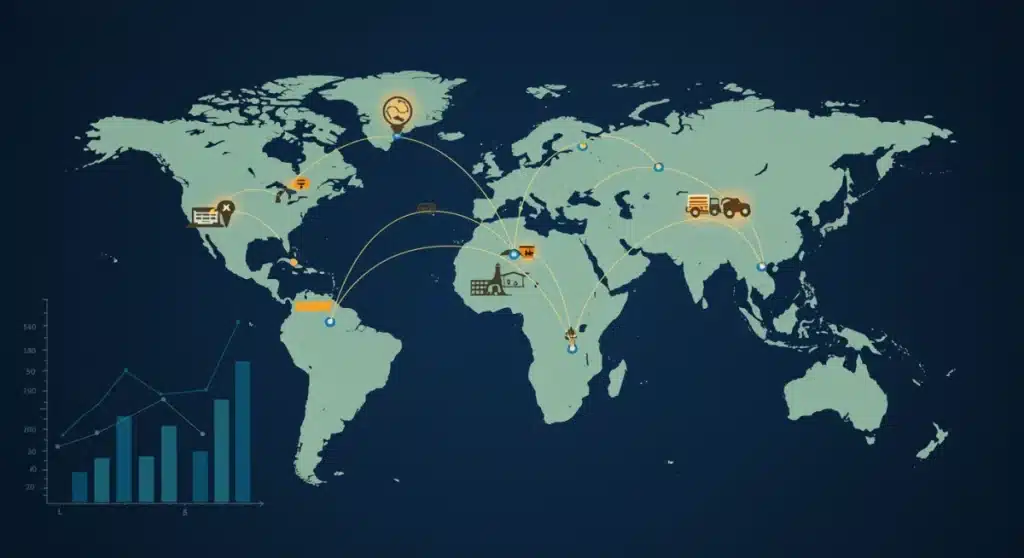
The global economic landscape is constantly shifting, and few regions are as dynamic and influential as the Asia Pacific. For decades, this vast and diverse area has been a critical partner for the United States, driving innovation, production, and consumption. Now, with the finalization of new, comprehensive trade agreements between the U.S. and several key Asia Pacific nations, a significant new chapter is beginning. These landmark accords are not merely bureaucratic formalities; they represent a strategic realignment designed to unlock unprecedented economic opportunities. Experts are projecting a substantial 8% increase in US Asia Exports by 2026, a forecast that signals robust growth for American businesses and a strengthening of vital international relationships.
This optimistic outlook is rooted in the careful crafting of agreements that address modern trade complexities, reduce barriers, and foster a more predictable and equitable trading environment. For American enterprises, from burgeoning startups to established multinational corporations, this translates into expanded market access, reduced tariffs, and streamlined customs procedures. The ripple effects are expected to be far-reaching, impacting everything from agricultural producers in the Midwest to high-tech manufacturers on the coasts. Understanding the intricacies of these new agreements, identifying the sectors poised for the most significant growth, and preparing for the logistical challenges and opportunities they present will be crucial for any business looking to capitalize on this impending boom in US Asia Exports.
The Genesis of New Trade Agreements: A Strategic Imperative
The impetus behind these new trade agreements is multifaceted, driven by a combination of geopolitical considerations, economic necessity, and a desire to foster greater stability and prosperity in the Indo-Pacific region. For years, the U.S. has recognized the immense potential of the Asia Pacific, not just as a source of goods but as a rapidly expanding consumer market and a hub of innovation. However, previous trade frameworks, while foundational, often struggled to keep pace with the rapid evolution of global commerce, particularly in areas like digital trade, intellectual property rights, and environmental standards.
These recently finalized agreements represent a concerted effort to modernize and strengthen trade ties. They are the culmination of extensive negotiations, involving diplomats, trade representatives, and industry leaders from both sides. The goal was to create a framework that is not only economically beneficial but also resilient and adaptable to future challenges. Key principles guiding these negotiations included:
- Market Access Expansion: Reducing tariffs and non-tariff barriers to allow American goods and services to compete more effectively in Asia Pacific markets.
- Digital Trade Facilitation: Establishing clear rules for e-commerce, data flows, and digital services, crucial for the modern economy.
- Intellectual Property Protection: Strengthening safeguards for American innovations, from patented technologies to copyrighted creative works.
- Labor and Environmental Standards: Incorporating provisions that promote fair labor practices and environmental sustainability, ensuring responsible growth.
- Supply Chain Resilience: Enhancing cooperation to build more robust and diversified supply chains, reducing vulnerabilities.
The strategic importance of these agreements cannot be overstated. They signal a renewed commitment by the U.S. to its partners in the region, offering an alternative to other economic models and reinforcing a rules-based international order. For businesses, this means a more predictable and secure environment for investment and trade, paving the way for increased US Asia Exports.
Projected 8% Increase: What Drives the Optimism?
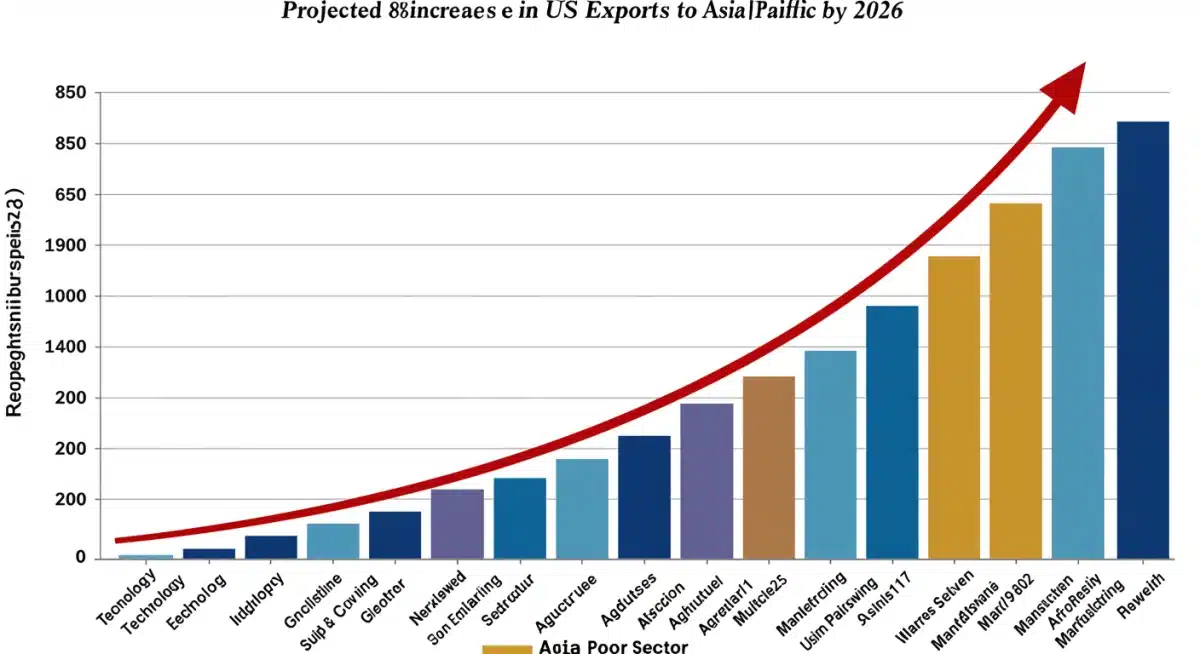
The projection of an 8% increase in US Asia Exports by 2026 is not an arbitrary figure; it is based on rigorous economic modeling and analysis. Several key factors contribute to this optimistic forecast:
- Reduced Trade Barriers: The most direct impact of the new agreements will be the lowering of tariffs and the simplification of customs procedures. For many American products, this will immediately make them more competitive on price in Asia Pacific markets. Non-tariff barriers, such as complex regulatory requirements or discriminatory standards, are also being addressed, further smoothing the path for exports.
- Growing Asia Pacific Demand: The Asia Pacific region continues to be a powerhouse of economic growth, with a rising middle class and increasing disposable incomes. This demographic shift translates into greater demand for high-quality consumer goods, advanced technologies, and specialized services, areas where U.S. companies often excel.
- Sector-Specific Opportunities: Certain sectors are particularly well-positioned to benefit. For instance, the demand for American agricultural products, from soybeans to specialty foods, is robust. Similarly, U.S. expertise in advanced manufacturing, renewable energy technologies, and digital services aligns perfectly with the development priorities of many Asia Pacific nations.
- Enhanced Investment Climate: The agreements often include provisions that protect foreign investment and ensure fair treatment for U.S. companies operating abroad. This improved investment climate encourages American businesses to establish a stronger physical presence in the region, which in turn facilitates greater trade flows.
- Digital Trade Integration: The emphasis on digital trade in these agreements is a game-changer. As economies become increasingly digitized, the ability to seamlessly exchange data, offer online services, and conduct e-commerce across borders without undue restrictions is vital. This will significantly boost exports in software, cloud services, entertainment, and other digital sectors.
Economists and trade analysts have meticulously crunched the numbers, considering historical trade patterns, current market trends, and the specific clauses of the new agreements. The 8% growth figure reflects a conservative yet confident assessment of the potential for American businesses to expand their footprint and increase their sales across the Pacific, solidifying the importance of US Asia Exports.
Key Sectors Poised for Growth in US Asia Exports
While the benefits of these new trade agreements are expected to be broad-based, several sectors are particularly well-positioned to experience significant growth in US Asia Exports. Identifying these key areas can help American businesses strategically allocate resources and tailor their market entry strategies.
Agriculture and Food Products
The Asia Pacific region represents a massive market for American agricultural and food products. As incomes rise and dietary preferences evolve, there is increasing demand for high-quality, safe, and diverse food options. U.S. agricultural exports, including grains, meat, dairy, and processed foods, are highly regarded for their quality and safety standards. The new agreements aim to reduce tariffs on these goods and streamline sanitary and phytosanitary measures, making it easier for American farmers and food processors to export their products. This could mean increased sales for staples like soybeans and corn, as well as specialty items like organic produce and gourmet foods.
Technology and Digital Services
The digital economy is booming in Asia, with rapid adoption of e-commerce, cloud computing, artificial intelligence, and advanced telecommunications. The U.S. is a global leader in these fields, and the new trade agreements specifically address digital trade barriers. This will facilitate easier cross-border data flows, strengthen intellectual property protections for software and digital content, and create a more level playing field for American tech companies. Expect significant growth in exports of software, cloud services, entertainment, and other digital sectors, further boosting US Asia Exports in the tech realm.
Manufacturing and Advanced Industrial Goods
While often associated with imports, the U.S. also exports a considerable volume of high-value manufactured goods and advanced industrial equipment. This includes machinery, aerospace components, medical devices, and specialized tools. Asia Pacific nations are investing heavily in infrastructure, industrial modernization, and healthcare, creating a strong demand for these sophisticated products. The agreements will likely reduce tariffs on these items and simplify regulatory compliance, making American-made industrial goods more attractive to buyers in the region.
Energy and Environmental Technologies
Many Asia Pacific nations are grappling with energy security concerns and the urgent need for environmental sustainability. This creates substantial opportunities for U.S. exports in renewable energy technologies (solar, wind), energy efficiency solutions, and environmental services (waste management, pollution control). The new agreements may include provisions that encourage green trade and investment, aligning with global climate goals and opening new markets for American clean energy innovators.
Healthcare and Pharmaceuticals
With aging populations and increasing healthcare expenditures, the demand for advanced medical technologies, pharmaceuticals, and healthcare services is soaring across the Asia Pacific. The U.S. is at the forefront of medical innovation, and these agreements can facilitate the export of life-saving drugs, cutting-edge medical devices, and specialized healthcare solutions. This includes everything from diagnostic equipment to biotechnology products, significantly impacting US Asia Exports in the health sector.
Navigating the New Trade Landscape: Opportunities and Challenges
While the projected 8% increase in US Asia Exports paints an encouraging picture, businesses must also be prepared to navigate the complexities of this new trade landscape. Opportunities abound, but so do potential challenges.
Leveraging Opportunities:
- Market Research and Adaptation: Businesses should conduct thorough market research to identify specific demand niches and tailor their products or services to local preferences and regulations.
- Digital Presence: A strong online presence and e-commerce capabilities will be essential, given the emphasis on digital trade. This includes optimizing for local search engines and payment methods.
- Supply Chain Optimization: Reviewing and potentially restructuring supply chains to take advantage of reduced tariffs and streamlined logistics can lead to significant cost savings and efficiency gains.
- Partnerships and Alliances: Forming strategic partnerships with local distributors, agents, or joint venture partners can provide invaluable market insights and facilitate smoother entry into new markets.
- Understanding Regulatory Nuances: While agreements aim to harmonize regulations, local specificities will always exist. Investing in legal and regulatory expertise for each target market is crucial.
Addressing Challenges:
- Competition: The Asia Pacific market is highly competitive, with both local players and other international exporters vying for market share. U.S. businesses must differentiate themselves through quality, innovation, and customer service.
- Cultural Differences: Nuances in business etiquette, communication styles, and consumer preferences can significantly impact success. Cultural sensitivity and adaptation are paramount.
- Logistics and Infrastructure: While logistics are improving, navigating diverse infrastructural capabilities across the vast Asia Pacific region can still be a challenge. Reliable shipping and distribution networks are vital for seamless US Asia Exports.
- Geopolitical Risks: The region is not without its geopolitical complexities. Businesses must stay informed about political developments and assess potential risks to their operations and trade flows.
- Compliance and Enforcement: While the agreements provide a framework, ensuring compliance and effectively enforcing intellectual property rights or contract terms can still require diligence and legal support.
Successfully capitalizing on the projected growth in US Asia Exports will require a proactive approach, combining strategic planning with operational excellence and a deep understanding of the markets. Businesses that invest in understanding these dynamics will be best positioned to thrive.
The Broader Economic Impact on the United States
The projected 8% increase in US Asia Exports by 2026 is not just a statistical figure; it represents tangible economic benefits for the United States. This surge in exports will have a profound impact across various facets of the American economy.
Job Creation and Economic Growth
Increased exports directly translate into higher demand for American goods and services, which in turn stimulates production. This boost in economic activity is expected to create new jobs across various sectors, from manufacturing and agriculture to logistics and technology. Export-oriented jobs often pay higher wages and contribute significantly to local economies. Small and medium-sized enterprises (SMEs) are particularly poised to benefit, as reduced trade barriers make it easier for them to access international markets, previously dominated by larger corporations.
Innovation and Competitiveness
Exposure to competitive international markets often spurs innovation. As American companies strive to meet the diverse demands of Asia Pacific consumers, they will be encouraged to develop new products, improve existing ones, and adopt more efficient processes. This drive for innovation enhances the overall competitiveness of U.S. industries on a global scale, leading to long-term economic benefits beyond the immediate export gains. The focus on digital trade within the new agreements will further accelerate innovation in the tech sector, making US Asia Exports a driver of future technological advancements.
Strengthening Supply Chains
The agreements are also designed to foster greater supply chain resilience. By diversifying sourcing options and strengthening partnerships with Asia Pacific nations, the U.S. can reduce its reliance on single points of failure and create more robust supply networks. While primarily focused on exports, a stable and predictable trade environment also benefits imports, ensuring a steady flow of necessary components and raw materials for American industries.
Geopolitical Alignment and Influence
Beyond the purely economic benefits, these trade agreements serve a crucial geopolitical purpose. By strengthening economic ties with key Asia Pacific allies and partners, the U.S. reinforces its influence in the region, promotes stability, and counters the economic leverage of other global powers. Economic integration often leads to stronger diplomatic relationships, fostering a more cooperative international environment. The success of US Asia Exports thus has implications for global diplomacy and security.

Strategies for American Businesses to Maximize Export Growth
For American businesses eager to tap into the projected 8% increase in US Asia Exports, a strategic and well-executed approach is essential. Simply having access to new markets is not enough; success requires proactive engagement and a deep understanding of the target audience.
1. Conduct Thorough Market Research
Before entering any new market, comprehensive research is paramount. This includes understanding consumer preferences, local regulations, competitive landscapes, and distribution channels. Identify which specific Asia Pacific nations offer the best fit for your products or services, considering their economic growth trajectories, demographic trends, and cultural nuances. Data analytics and local market intelligence will be invaluable in this phase.
2. Adapt Products and Services for Local Tastes
What sells well in the U.S. may not resonate in Asia Pacific markets. Be prepared to adapt your offerings, whether through product modifications, packaging changes, or service adjustments, to meet local tastes and needs. This might involve language localization, cultural sensitivity in marketing campaigns, or even developing entirely new product lines specifically for the region. Flexibility and responsiveness are key to successful US Asia Exports.
3. Build Strong Local Partnerships
Navigating unfamiliar markets is significantly easier with reliable local partners. This could include distributors, agents, joint venture partners, or even local marketing agencies. A good partner can provide invaluable insights into market dynamics, help with regulatory compliance, and establish critical relationships. Due diligence in selecting partners is crucial to ensure alignment in business goals and ethical practices.
4. Embrace Digitalization and E-commerce
Given the emphasis on digital trade in the new agreements, a robust digital strategy is non-negotiable. This means having an e-commerce presence, leveraging social media platforms popular in the target markets, and ensuring seamless digital payment options. Investing in cybersecurity and data privacy measures will also build trust with international customers and ensure compliance with local regulations.
5. Focus on Supply Chain Efficiency and Resilience
With reduced trade barriers, optimizing your supply chain becomes even more critical. Explore opportunities to streamline logistics, reduce shipping costs, and ensure timely delivery. Simultaneously, build resilience into your supply chain by diversifying suppliers and routes to mitigate potential disruptions. A reliable supply chain is fundamental to sustaining increased US Asia Exports.
6. Understand and Comply with New Trade Rules
The specifics of each new trade agreement will vary. Businesses must invest time in understanding the revised tariff schedules, rules of origin, customs procedures, and any sector-specific regulations. Consulting with trade experts, legal counsel, and government resources (like the U.S. Department of Commerce) can help ensure full compliance and maximize the benefits of the agreements.
7. Invest in Human Capital and Cultural Competence
Success in international trade hinges on having a team with the right skills and cultural understanding. This may involve training existing staff in international business practices, hiring individuals with language skills and cultural expertise, or even establishing local teams in Asia Pacific markets. Cultural competence fosters stronger relationships and smoother business operations, vital for thriving US Asia Exports.
Conclusion: A New Era for US Asia Exports
The finalization of new trade agreements with Asia Pacific nations marks a pivotal moment for the American economy. The projected 8% increase in US Asia Exports by 2026 is a testament to the strategic importance of this region and the concerted efforts to foster a more open, fair, and prosperous trading environment. This growth will not only inject vitality into various U.S. sectors but also create jobs, spur innovation, and strengthen America’s geopolitical standing.
For American businesses, this is a clear call to action. The opportunities are immense, but realizing their full potential will require diligence, adaptability, and a forward-thinking approach. By understanding the nuances of the new agreements, strategically targeting high-growth sectors, and investing in robust market entry strategies, U.S. companies can position themselves to thrive in this new era of global commerce. The future of US Asia Exports looks brighter than ever, promising a period of sustained growth and deeper economic integration across the Pacific.