Special Education Updates 2026: What US Schools Need to Know

Recent legislative updates are poised to significantly transform special education services in US public schools by 2026, influencing funding, inclusive practices, and comprehensive support systems for students with disabilities nationwide.
Understanding how recent legislative updates affect special education services in US public schools for 2026 is crucial for educators, parents, and policymakers alike. The landscape of special education is continually evolving, driven by new research, advocacy, and a deeper societal commitment to equitable opportunities for all students. As we approach 2026, several key legislative changes are set to redefine how these vital services are delivered, impacting everything from funding mechanisms to the daily classroom experience. This article delves into these transformative updates, offering a comprehensive look at what to expect and how to prepare for the future of special education.
Understanding the Core Legislative Shifts for 2026
The foundation of special education in the United States has always been the Individuals with Disabilities Education Act (IDEA), a landmark piece of legislation ensuring that children with disabilities receive a free appropriate public education (FAPE). However, laws are not static; they are regularly reviewed and updated to address emerging needs and improve effectiveness. For 2026, several legislative shifts are on the horizon, aiming to refine and strengthen IDEA’s implementation.
These anticipated changes are largely a response to ongoing challenges identified within the special education system, such as disparities in service provision, the need for enhanced early intervention, and the integration of new technologies. Lawmakers are also keenly focused on promoting greater inclusivity and ensuring that students with disabilities are not merely integrated but truly thrive within general education settings. The goal is to move beyond compliance and foster an environment where every student can reach their full potential.
Key Areas of Focus in New Legislation
The forthcoming legislative updates will likely concentrate on several critical areas. These include:
- Funding Allocation: Revisions to how federal funds are distributed to states and local education agencies (LEAs) to ensure more equitable and effective use.
- Early Intervention Programs: Strengthening support for children from birth to age three, recognizing the profound impact of early support on long-term outcomes.
- Teacher Training and Professional Development: Emphasizing the need for ongoing education for general and special education teachers to implement inclusive practices successfully.
These shifts are not just about making minor adjustments; they represent a concerted effort to create a more responsive, efficient, and ultimately more effective special education system. The implications for school districts, educators, and families will be substantial, requiring careful planning and adaptation to new mandates and opportunities. Understanding these core changes is the first step toward navigating the evolving landscape of special education.
Impact on Funding and Resource Allocation
One of the most significant aspects of any legislative update in education, particularly special education, revolves around funding and resource allocation. Adequate funding is the lifeblood of effective special education services, enabling schools to provide necessary therapies, assistive technologies, specialized staff, and appropriate educational environments. For 2026, legislative changes are expected to introduce new formulas or priorities for how federal funds are distributed, aiming to address historical inequities and emerging needs.
Historically, federal funding for IDEA has not always met the promised levels, leaving states and local districts to bear a substantial portion of the costs. The upcoming updates may seek to close this funding gap, potentially increasing federal contributions or establishing clearer guidelines for how states must allocate their resources to special education programs. This could lead to a more stable and predictable funding stream, allowing districts to plan more effectively for long-term service provision.
Beyond the overall funding levels, there’s also a focus on how resources are specifically targeted. Legislation might mandate a greater emphasis on evidence-based practices, requiring districts to demonstrate that their spending directly supports interventions proven to be effective. This shift aims to maximize the impact of every dollar spent, ensuring that resources are directed towards programs and services that yield the best outcomes for students with disabilities.
Potential Funding Changes
- Increased Federal Contributions: A push for the federal government to meet its original commitment under IDEA, potentially reducing the financial burden on states.
- Performance-Based Funding: Linking a portion of funding to specific outcomes or improvements in student achievement for those receiving special education services.
- Technology Integration Grants: Dedicated funds to help schools acquire and implement cutting-edge assistive technologies and adaptive learning tools.
These changes will require school districts to meticulously review their budgets, re-evaluate existing programs, and potentially seek new ways to leverage resources. The goal is to create a system where funding is not just sufficient but also optimized to deliver the highest quality special education services, fostering an environment where every student has the tools and support they need to succeed.
Promoting Inclusive Education Practices
Inclusive education is a cornerstone of modern special education philosophy, advocating for students with disabilities to be educated alongside their non-disabled peers to the maximum extent appropriate. The legislative updates for 2026 are expected to place an even greater emphasis on promoting and mandating truly inclusive practices within US public schools. This goes beyond mere physical presence; it involves creating environments where all students feel valued, supported, and challenged.
The new legislation may introduce stricter guidelines or incentives for schools to reduce reliance on segregated settings, encouraging the development of robust co-teaching models, universal design for learning (UDL) frameworks, and differentiated instruction strategies. The aim is to ensure that students with disabilities have meaningful access to the general education curriculum and participate fully in school life, both academically and socially.
A key challenge in implementing inclusive practices has often been the lack of adequate training and resources for general education teachers. The forthcoming legislative changes are likely to address this by allocating more funds for professional development focused on inclusive strategies, collaborative teaching, and understanding the diverse needs of students with disabilities. This investment in teacher capacity is critical for successful inclusion.
Strategies for Enhanced Inclusion
- Universal Design for Learning (UDL): Mandating the adoption of UDL principles to design curriculum and instruction that is accessible to all learners from the outset.
- Co-Teaching Models: Encouraging and supporting collaborative teaching arrangements where general and special education teachers work together in the same classroom.
- Positive Behavior Interventions and Supports (PBIS): Promoting school-wide systems that create supportive and predictable environments for all students, reducing disciplinary removals.
The shift towards more inclusive practices will require a systemic change in school culture, moving from a deficit-based model to one that celebrates diversity and recognizes the unique strengths of every student. Schools will need to foster stronger collaboration between general and special education departments, ensuring that inclusion is not just a policy but a lived reality for students and staff.
Enhanced Early Intervention and Support Services
The importance of early intervention in special education cannot be overstated. Research consistently shows that providing support services to children with developmental delays or disabilities from a very young age can significantly improve their long-term outcomes, reducing the need for more intensive services later in life. The legislative updates for 2026 are expected to significantly enhance early intervention and support services, reflecting this critical understanding.
These updates may involve expanding the scope of services available for infants and toddlers with disabilities, as well as strengthening the transition process from early intervention programs (Part C of IDEA) to preschool special education services (Part B of IDEA). The goal is to create a seamless continuum of support that identifies needs early and provides timely, effective interventions, preventing smaller issues from escalating into larger challenges.
Furthermore, the legislation might emphasize greater collaboration between healthcare providers, early childhood educators, and special education professionals. This interdisciplinary approach ensures that children’s needs are identified holistically, and families receive comprehensive support and guidance. The focus will be on family-centered practices, empowering parents to be active participants in their child’s developmental journey.
Key Enhancements in Early Intervention
- Expanded Eligibility Criteria: Potentially broadening the criteria for children to access early intervention services, ensuring more children receive support.
- Increased Funding for Part C: Allocating more federal funds specifically for early intervention programs, allowing states to expand their services and reach.
- Professional Development for Early Childhood Educators: Providing specialized training for preschool and childcare providers on identifying developmental delays and implementing inclusive practices.
These enhancements are designed to build a stronger foundation for children with disabilities, setting them on a path toward greater success in school and beyond. By investing in early intervention, the legislative updates aim to create a more proactive and preventative special education system, ultimately benefiting individuals, families, and society as a whole.
Teacher Training, Professional Development, and Staffing
The success of any special education program ultimately rests on the capabilities and dedication of its educators and support staff. Recognizing this, the legislative updates slated for 2026 are likely to include significant provisions aimed at improving teacher training, enhancing professional development opportunities, and addressing chronic staffing shortages in special education. The quality of instruction directly impacts student outcomes, making these areas paramount.
One anticipated change is a greater emphasis on evidence-based practices in teacher preparation programs. Future teachers, both general and special education, may be required to demonstrate proficiency in inclusive teaching strategies, differentiated instruction, and the effective use of assistive technologies. This ensures that new educators enter the field equipped with the skills necessary to support diverse learners from day one.
For current educators, increased funding for ongoing professional development is expected. This could include workshops, certifications, and advanced degree programs focused on specialized areas such as autism spectrum disorder, dyslexia, or emotional and behavioral disorders. The goal is to foster continuous learning and ensure that teachers remain current with the latest research and best practices in special education.
Addressing Staffing Challenges
- Loan Forgiveness Programs: Expanding programs that forgive student loans for special education teachers who commit to working in high-need areas.
- Recruitment Incentives: Providing grants or bonuses to attract qualified individuals into the special education profession, particularly in areas experiencing shortages.
- Paraprofessional Support: Investing in training and professional development for paraprofessionals, who play a crucial role in supporting students with disabilities in the classroom.
These legislative efforts aim to create a more robust and highly skilled special education workforce. By investing in teachers and support staff, schools can ensure that every student with a disability receives instruction from knowledgeable and compassionate professionals, leading to improved academic achievement and greater independence.
Accountability and Data-Driven Decision Making
As special education services evolve, so too does the need for robust accountability measures and data-driven decision making. The legislative updates for 2026 are expected to strengthen these aspects, ensuring that schools and districts are transparent about their outcomes and continuously use data to refine their practices. This focus on accountability is critical for demonstrating the effectiveness of special education programs and ensuring that resources are being utilized efficiently.
New mandates may include more rigorous reporting requirements for student progress, individualized education program (IEP) implementation, and the effectiveness of specific interventions. This data will not only inform federal and state agencies but also provide valuable insights for local school districts to identify areas of strength and areas needing improvement. The goal is to move beyond simply complying with regulations to actively striving for excellence in student outcomes.
Furthermore, there may be an increased emphasis on using data to inform individualized student support. This means leveraging assessment data, progress monitoring, and other metrics to tailor IEPs more precisely to each student’s unique needs and to track their progress towards goals more effectively. The shift is towards a more personalized and responsive approach to special education.
Key Accountability Measures
- Enhanced Progress Monitoring: Requiring more frequent and detailed tracking of student progress on IEP goals, using standardized and reliable measures.
- Public Reporting of Outcomes: Mandating that states and districts publicly report key special education outcome data, such as graduation rates and post-secondary success.
- Program Evaluation Requirements: Requiring districts to regularly evaluate the effectiveness of their special education programs and make adjustments based on findings.
These legislative changes will empower stakeholders with better information, fostering a culture of continuous improvement within special education. By holding schools accountable for outcomes and promoting data-driven decision making, the updates aim to ensure that special education services are not only compliant but also genuinely transformative for students with disabilities.
The Role of Technology and Assistive Devices
Technology has revolutionized many aspects of our lives, and special education is no exception. The legislative updates for 2026 are anticipated to further recognize and integrate the pivotal role of technology and assistive devices in providing effective special education services. From enhancing communication to facilitating learning, technological advancements offer unprecedented opportunities to support students with diverse needs.
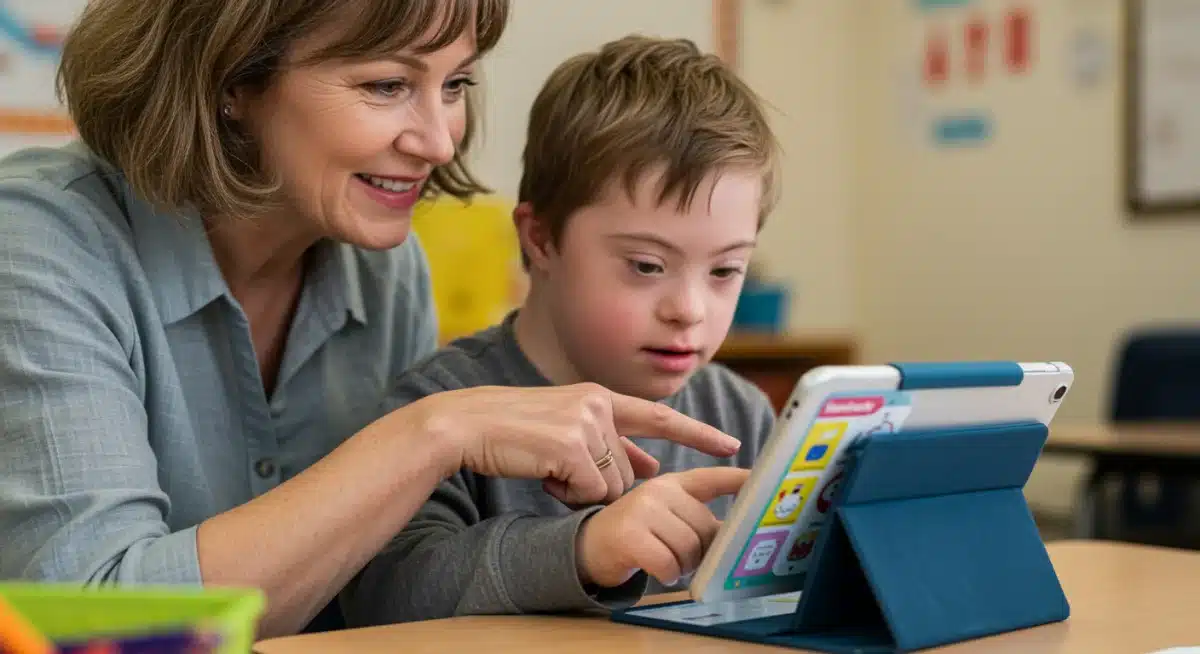
The new legislation may include provisions for increased funding dedicated to acquiring and implementing assistive technology (AT) devices, ensuring that schools have the resources to provide students with tools such as text-to-speech software, augmentative and alternative communication (AAC) devices, and specialized learning apps. The goal is to remove barriers to access and participation, allowing students to engage with the curriculum and their peers more effectively.
Beyond providing devices, the updates might also emphasize professional development for educators on how to effectively integrate technology into instruction. This includes training on identifying appropriate AT for individual students, customizing devices to meet specific needs, and leveraging digital tools to create more accessible and engaging learning environments. Technology is only as effective as the people who use and implement it.
Technological Advancements and Their Impact
- Personalized Learning Platforms: Utilizing AI-powered platforms that adapt to individual student learning styles and pace, providing tailored instruction.
- Virtual Reality (VR) for Skill Development: Exploring VR applications to create immersive and safe environments for students to practice social skills, vocational training, or daily living activities.
- Tele-Therapy and Remote Services: Expanding access to specialized therapists (e.g., speech-language pathologists, occupational therapists) through tele-health models, especially in rural or underserved areas.
The integration of technology and assistive devices is not just about convenience; it’s about empowerment. These legislative changes will ensure that students with disabilities have access to the cutting-edge tools that can unlock their potential, foster independence, and prepare them for success in an increasingly digital world. Embracing technology in special education is a commitment to innovation and equitable opportunity.
| Key Legislative Area | Anticipated Impact by 2026 |
|---|---|
| Funding & Resources | Potential for increased federal contributions and performance-based allocations. |
| Inclusive Practices | Stricter guidelines for UDL, co-teaching, and reduced segregated settings. |
| Early Intervention | Expanded services and stronger transitions for infants and toddlers. |
| Technology Integration | Increased access to assistive technology and training for educators. |
Frequently Asked Questions About 2026 Special Education Updates
The primary goal is to strengthen the Individuals with Disabilities Education Act (IDEA), ensuring more equitable funding, promoting greater inclusivity in classrooms, enhancing early intervention services, and improving teacher training to better support students with disabilities in US public schools.
Funding changes may include increased federal contributions to reduce the burden on states, potential performance-based funding models tied to student outcomes, and dedicated grants for integrating assistive technologies and evidence-based practices into special education programs.
Absolutely. The updates are expected to emphasize more robust inclusive practices, encouraging wider adoption of Universal Design for Learning (UDL), co-teaching models, and strategies to minimize segregated settings, ensuring students with disabilities are fully integrated into general education.
Legislative enhancements are likely to expand eligibility for early intervention services, increase funding for Part C of IDEA, and promote stronger collaboration among healthcare, early childhood, and special education professionals to provide comprehensive, family-centered support from birth.
The updates will likely focus on improving teacher preparation programs with evidence-based practices, increasing funding for ongoing professional development, and implementing incentives like loan forgiveness and recruitment bonuses to address staffing shortages in special education.
Conclusion
The legislative updates affecting special education services in US public schools by 2026 represent a critical juncture for advancing equitable and effective educational opportunities for all students with disabilities. These changes, spanning funding, inclusion, early intervention, professional development, accountability, and technology integration, are designed to create a more responsive, supportive, and high-quality special education system. While challenges in implementation will undoubtedly arise, the overarching goal is clear: to empower every student to achieve their fullest potential. Staying informed and proactively adapting to these shifts will be essential for educators, families, and policymakers to navigate this evolving landscape successfully.