Maximize WIC Benefits 2026: Get 25% More Nutrition for Your Family

Securing 25% more nutritional value from WIC benefits in 2026 involves understanding updated program guidelines, optimizing food choices, and actively participating in educational resources provided by the program.
Are you looking to stretch your family’s food budget and ensure everyone receives optimal nutrition? The Special Supplemental Nutrition Program for Women, Infants, and Children, commonly known as WIC, is a cornerstone for many families across the United States. In 2026, understanding how to effectively navigate and maximize your WIC Benefits 2026 can mean accessing 25% more nutritional value, fostering healthier growth and development for your children and a stronger foundation for pregnant or breastfeeding mothers. This comprehensive guide will walk you through everything you need to know to make the most of this invaluable resource.
Understanding WIC: The Foundation of Family Nutrition
WIC is a federal assistance program of the Food and Nutrition Service of the United States Department of Agriculture (USDA) for healthcare and nutrition of low-income pregnant women, breastfeeding women, and infants and children under the age of five. Its purpose is to safeguard the health of these vulnerable populations. By providing nutritious foods, information on healthy eating, and referrals to health care, WIC plays a critical role in preventing nutrition-related health problems and improving the health of participants. The program’s design is holistic, aiming to support families beyond just food provisioning.
Eligibility for WIC is based on several factors, including income, nutritional risk, and residency. Typically, participants must reside in the state where they apply, meet specific income guidelines (usually at or below 185% of the federal poverty level), and be determined by a health professional to be at nutritional risk. This nutritional risk assessment is crucial and often involves a review of medical history, dietary patterns, and physical measurements. Understanding these foundational elements is the first step toward accessing and maximizing your benefits.
Who is eligible for WIC?
Eligibility is primarily focused on categories of individuals who are at critical stages of growth and development or who are nutritionally vulnerable. This includes:
- Pregnant women (during pregnancy and up to six weeks after birth)
- Breastfeeding women (up to the infant’s first birthday)
- Non-breastfeeding postpartum women (up to six months after birth)
- Infants (up to their first birthday)
- Children (up to their fifth birthday)
Each category has specific needs addressed by the program. The income guidelines are updated annually, so it’s important to check the most current federal poverty guidelines for 2026 when applying or reapplying. Additionally, individuals who participate in other assistance programs like SNAP, Medicaid, or TANF are often automatically income-eligible for WIC, simplifying the application process.
In conclusion, WIC serves as a vital safety net, providing essential nutritional support and health resources to families during critical periods. Grasping the core eligibility requirements and the program’s overall mission is fundamental to effectively utilizing its offerings for improved family well-being.
Navigating the Application Process for WIC Benefits in 2026
Applying for WIC benefits might seem daunting, but with the right information, it can be a straightforward process. The key to a successful application in 2026 lies in being prepared and understanding the steps involved. Each state and local agency may have slight variations in their procedures, but the core requirements remain consistent across the nation. The goal is to ensure that eligible families can access the support they need without unnecessary hurdles.
The first step typically involves contacting your local WIC agency. You can find contact information through your state’s health department website or by calling a national WIC hotline. Many agencies now offer pre-screening tools online or over the phone to help you determine if you meet the initial income and categorical eligibility requirements before scheduling an appointment. This can save time and streamline the process significantly.
Required documents for your WIC appointment
When you schedule your WIC appointment, you will need to bring several documents. Being organized with these documents will make your visit efficient and help ensure a quick determination of eligibility. Common documents include:
- Proof of identity: Valid photo ID for adults, birth certificate or immunization records for children and infants.
- Proof of residency: Utility bill, driver’s license, or mail with your current address.
- Proof of income: Pay stubs, tax returns, SNAP/Medicaid/TANF certification letters, or a letter from your employer.
During the appointment, a WIC nutritionist or health professional will conduct a health and diet assessment. This assessment helps determine if you or your family members are at nutritional risk, which is a mandatory component for WIC eligibility. They may ask about your eating habits, medical history, and any concerns you have about your family’s health and nutrition. This is also an excellent opportunity to ask any questions you have about healthy eating or specific dietary needs.
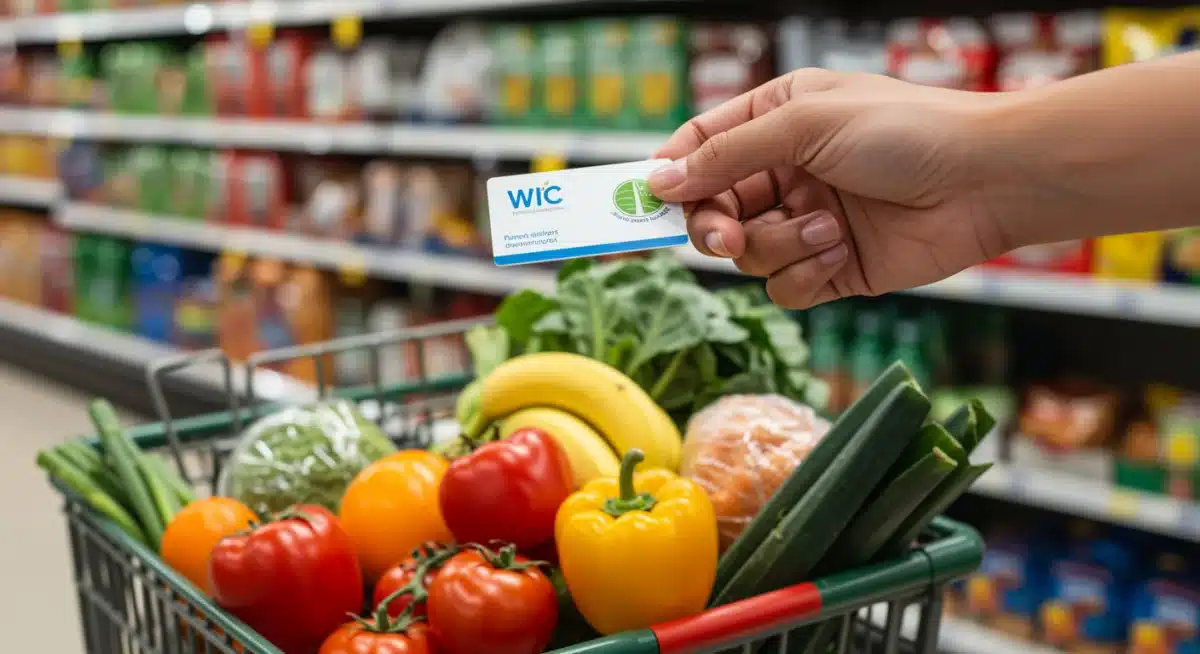
After your eligibility is determined, you will receive your WIC benefits, typically loaded onto an EBT (Electronic Benefits Transfer) card. You’ll also receive information on how to use your card and where to shop. It’s crucial to understand the expiration dates for your benefits and to use them within the designated period. Some agencies also provide a mobile app to help you track your benefits and find WIC-approved foods.
In essence, a smooth WIC application process hinges on preparation and understanding the documentation and assessment requirements. By gathering necessary papers and engaging openly with WIC staff, families can efficiently secure their benefits and begin their journey towards enhanced nutrition.
Maximizing Your WIC Food Benefits: Getting 25% More Nutrition
The core of WIC’s support comes in the form of food benefits, which are specifically designed to provide nutrient-rich foods crucial for growth and health. To truly maximize these benefits in 2026 and potentially gain 25% more nutritional value, it’s essential to understand the WIC authorized food list and how to make the smartest choices at the grocery store. The program focuses on foods that are often lacking in the diets of low-income populations, aiming to fill these nutritional gaps effectively.
WIC food packages include a variety of healthy options such as fruits and vegetables, whole grains, milk, eggs, cheese, peanut butter, dried beans/peas, and infant formula. For breastfeeding women, there are often additional allowances for certain foods. The exact quantities and types of food are tailored to the specific needs of each participant category (e.g., pregnant women, infants, children) and can vary slightly by state, reflecting local preferences and food availability. Staying informed about your state’s specific WIC food list is paramount.
Strategic shopping for optimal nutrition
- Understand your food package: Review the specific foods and quantities you are eligible for each month. This helps in meal planning and prevents overspending or underutilizing benefits.
- Prioritize fresh produce: WIC provides a cash value benefit for fruits and vegetables. Aim to use this benefit for a wide variety of fresh, seasonal produce, which often offers the best nutritional bang for your buck.
- Compare unit prices: Even with WIC-approved items, prices can vary between brands and stores. Pay attention to unit prices to ensure you’re getting the most food for your benefit amount.
- Plan meals around WIC foods: Integrate WIC-approved items into your weekly meal plans. For example, if you receive whole wheat bread and peanut butter, plan for sandwiches. If you get milk and cereal, incorporate them into breakfast routines.
- Look for sales and discounts: Combine your WIC benefits with store sales or coupons on WIC-approved items when possible. While WIC covers specific items, general grocery shopping savvy can still enhance your overall family food security.
Many WIC agencies also offer nutrition education sessions that delve deeper into healthy eating and smart shopping. Attending these sessions can provide invaluable insights and practical tips for making the most of your benefits. They often cover topics like healthy meal preparation, understanding food labels, and budgeting for groceries. The goal is not just to provide food, but to empower families with the knowledge to make healthier choices independently.
Ultimately, maximizing WIC food benefits involves a proactive approach: knowing your allowances, making informed choices at the grocery store, and leveraging available educational resources. This concerted effort ensures that your family receives the highest possible nutritional advantage from the program.
WIC Nutrition Education and Support Services in 2026
Beyond providing food, WIC offers a robust system of nutrition education and support services, which are integral to its mission of improving health outcomes. In 2026, these services continue to be a cornerstone for families seeking to enhance their understanding of healthy eating, child development, and overall well-being. Engaging with these resources can significantly amplify the positive impact of WIC, transforming the provided food benefits into sustainable healthy habits.
WIC nutrition education is typically provided by qualified nutritionists, dietitians, or other health professionals. These sessions are tailored to the specific needs of WIC participants, covering a wide range of topics from infant feeding practices to healthy meal planning for toddlers and pregnant women. The education is designed to be practical, culturally sensitive, and easy to understand, ensuring that families can apply the information directly to their daily lives.
Key areas of WIC education and support
- Breastfeeding support: WIC is a strong advocate for breastfeeding, offering peer counselors, lactation consultants, and educational materials to help mothers successfully initiate and continue breastfeeding.
- Infant feeding: Guidance on introducing solid foods, understanding infant hunger cues, and ensuring infants receive appropriate nutrients for their rapid growth.
- Healthy eating for children: Tips for dealing with picky eaters, encouraging vegetable consumption, and creating balanced meals for young children.
- Maternal nutrition: Advice for pregnant and postpartum women on maintaining a healthy diet, managing weight, and ensuring adequate nutrient intake for themselves and their babies.
- Food resource management: Strategies for budgeting, smart shopping, and making WIC foods last longer.
These educational opportunities are often delivered through various formats, including one-on-one counseling, group classes, online modules, and educational materials. The flexibility in delivery aims to make these resources accessible to as many participants as possible, accommodating diverse schedules and learning preferences. Many WIC agencies also utilize mobile apps and social media to share timely nutrition tips and program updates.
Furthermore, WIC provides valuable referrals to other health and social services. This includes connecting families with pediatricians, dental care, immunizations, substance abuse programs, and child care. These referrals ensure that participants receive comprehensive care beyond just nutrition, addressing broader health and social determinants that impact family well-being. This integrated approach underscores WIC’s commitment to supporting the whole family.
In essence, the nutrition education and support services offered by WIC are invaluable tools for families. By actively participating in these programs, families can gain the knowledge and skills necessary to make lasting healthy choices, thereby maximizing the long-term benefits of WIC far beyond the food package itself.
WIC and Special Dietary Needs: Tailoring Benefits for Health
One of the strengths of the WIC program is its ability to accommodate special dietary needs, ensuring that all eligible participants, regardless of specific health conditions, receive appropriate nutritional support. In 2026, WIC continues to evolve its guidelines to better serve individuals with allergies, intolerances, or other medical diagnoses that require modified diets. This flexibility is crucial for maximizing health outcomes and preventing complications associated with dietary restrictions.
For participants with documented medical conditions, WIC can provide tailored food packages. This often involves a medical referral form completed by a healthcare provider, specifying the dietary modifications required. Common conditions that may warrant special WIC food packages include allergies to milk or eggs, celiac disease (requiring gluten-free alternatives), and certain metabolic disorders. The goal is to ensure that the WIC foods provided are safe, appropriate, and nutritionally adequate for the individual’s specific needs.
Examples of customized WIC food packages
- Lactose-free milk or milk substitutes: For individuals with lactose intolerance or milk allergies.
- Gluten-free grains: For those with celiac disease or gluten sensitivity.
- Special formulas: For infants or children with severe allergies or metabolic disorders that prevent them from consuming standard formulas or solid foods.
- Increased fruit and vegetable allowances: In some cases, to compensate for dietary restrictions that limit other food groups.
The process for obtaining a special WIC food package typically involves a collaboration between the participant, their healthcare provider, and the WIC nutritionist. The healthcare provider will diagnose the condition and recommend specific dietary changes, which the WIC nutritionist will then translate into an adjusted food package within WIC guidelines. This integrated approach ensures that medical recommendations are accurately reflected in the food benefits received.
It’s important for participants to communicate any special dietary needs or medical conditions upfront during their WIC application or recertification process. Providing thorough documentation from a healthcare provider is key to facilitating the approval of a customized food package. WIC staff are trained to work with families to understand these needs and connect them with the appropriate resources and food options. This proactive communication ensures that the benefits are truly maximized for individual health requirements.
In summary, WIC’s adaptability to special dietary needs is a significant advantage, ensuring that nutritional support is not a one-size-fits-all solution but rather a personalized approach to health. By openly discussing medical conditions and working with WIC staff, families can access tailored benefits that promote optimal health and well-being for all members.
Beyond Food: WIC’s Holistic Approach to Family Well-being
While WIC is primarily known for its food benefits, its impact extends far beyond the grocery store. The program adopts a holistic approach, recognizing that nutrition is just one piece of the puzzle when it comes to family well-being. In 2026, WIC continues to emphasize its role as a gateway to broader health and social services, aiming to support families comprehensively. This integrated strategy is what truly amplifies the value of WIC benefits, transforming them into a foundation for overall health and stability.
One of the most significant aspects of WIC’s holistic support is its referral system. WIC participants are often at a critical juncture in their lives, and the program acts as a crucial link to other essential services. These referrals can connect families to pediatricians for regular check-ups, dental care for oral health, immunizations clinics to protect against preventable diseases, and family planning services. By facilitating access to these services, WIC helps address health needs that might otherwise go unmet, preventing more serious issues down the line.
Connecting families to vital resources
- Healthcare providers: For ongoing medical care, prenatal care, and well-child visits.
- Substance abuse counseling: For parents struggling with addiction, offering a path to recovery and stability.
- Child care and early intervention services: Supporting child development and providing resources for educational needs.
- Housing assistance: Connecting families with programs that can help secure stable and safe living conditions.
- Job training and employment services: Empowering parents to gain skills and find sustainable employment, contributing to long-term financial stability.
The WIC staff, including nutritionists and other professionals, often serve as knowledgeable guides, helping families navigate the complex landscape of available social services. They are equipped to identify needs beyond nutrition and actively work to connect participants with the appropriate community partners. This proactive engagement makes WIC a powerful tool for addressing not just food insecurity but also broader challenges that impact a family’s health, safety, and economic security.
Moreover, WIC fosters a sense of community and support among its participants. Group education sessions and peer counseling programs allow parents to share experiences, learn from one another, and build supportive networks. This social support can be invaluable, especially for new parents or those facing significant life changes. The program recognizes that a strong support system is as vital as nutritious food for family well-being.
In conclusion, WIC’s holistic approach ensures that families receive more than just food; they gain access to a network of health, social, and community resources. This multifaceted support system empowers families to build a stronger foundation for health, stability, and long-term success, truly maximizing the overall impact of their WIC benefits.
Future Outlook: WIC in 2026 and Beyond
As we look towards 2026 and the years beyond, the WIC program continues to adapt and evolve to meet the changing needs of the families it serves. The focus remains steadfast on enhancing nutrition, promoting health, and providing comprehensive support. Anticipated developments in WIC aim to further streamline access, improve participant experience, and leverage technology to deliver even more effective services. These forward-looking initiatives are key to ensuring WIC remains a vital resource for vulnerable populations.
One area of continuous improvement is the modernization of the WIC shopping experience. While EBT cards are now standard, efforts are underway to integrate mobile payment options and develop more user-friendly apps that can help participants identify WIC-approved foods and track their benefits in real-time. Such technological advancements aim to reduce stigma, increase convenience, and empower participants with better tools for managing their food packages. We can expect to see further enhancements in these digital platforms in 2026.
Potential program enhancements and advocacy
- Increased benefit amounts: Ongoing efforts to secure higher cash value benefits for fruits and vegetables, allowing families to purchase more fresh produce.
- Expanded eligibility: Discussions often revolve around potentially expanding income guidelines or eligibility categories to reach more families in need.
- Broader food options: Exploring the inclusion of a wider variety of culturally relevant foods or specific dietary alternatives into the WIC food list.
- Enhanced telehealth services: Further integration of telehealth for nutrition counseling and health assessments, increasing accessibility for remote or underserved communities.
Furthermore, there is a strong emphasis on data-driven decision-making within the WIC program. By collecting and analyzing data on participant outcomes, WIC agencies can identify areas for improvement, tailor interventions more effectively, and demonstrate the program’s significant return on investment in public health. This continuous evaluation ensures that WIC resources are utilized efficiently and effectively, contributing to better health outcomes for mothers and children.
The commitment to evidence-based practices also extends to nutrition education, with ongoing research informing the most impactful strategies for promoting healthy eating habits. As nutritional science advances, WIC’s educational content will continue to evolve, providing participants with the most current and relevant information. This ensures that the advice given is always up-to-date and supports the best possible health outcomes.
In essence, the future of WIC is bright, marked by a dedication to innovation, accessibility, and comprehensive support. Through ongoing modernization and advocacy, WIC in 2026 and beyond will continue to be a powerful force in promoting the health and well-being of America’s most vulnerable families, ensuring they have the nutritional foundation needed to thrive.
| Key Aspect | Brief Description |
|---|---|
| Eligibility Criteria | Income-based, nutritional risk, and categorical eligibility (pregnant/postpartum women, infants, children under 5). |
| Maximizing Food Benefits | Understand food lists, prioritize fresh produce, compare prices, and plan meals around WIC-approved items. |
| Nutrition Education | Access free counseling on breastfeeding, infant feeding, and healthy eating for all participants. |
| Holistic Support | Referrals to healthcare, social services, and community resources beyond food assistance. |
Frequently Asked Questions About WIC Benefits in 2026
To be eligible for WIC in 2026, you must meet income guidelines (typically 185% of the federal poverty level), reside in the state where you apply, and be determined by a health professional to be at nutritional risk. Specific categories include pregnant/postpartum women, infants, and children under five.
Maximizing nutrition involves understanding your specific food package, prioritizing fresh fruits and vegetables with the cash value benefit, planning meals around WIC-approved items, and utilizing the free nutrition education services and healthy recipes provided by WIC agencies.
Yes, WIC can provide tailored food packages for participants with documented medical conditions such as allergies or intolerances. A healthcare provider must complete a medical referral form specifying the required dietary modifications, which WIC nutritionists will then implement.
WIC food packages generally include nutrient-rich items like fruits, vegetables, whole grains, milk, eggs, cheese, peanut butter, dried beans/peas, and infant formula. The exact items and quantities are tailored to the participant’s category and state-specific guidelines.
WIC provides nutrition education, breastfeeding support, and referrals to essential health and social services. These include connections to pediatricians, dental care, immunizations, housing assistance, and child care, fostering a holistic approach to family well-being.
Conclusion
In conclusion, Maximizing WIC Benefits in 2026: A Guide to Getting 25% More Nutrition for Families is about more than just receiving food; it’s about strategically leveraging a comprehensive support system designed to foster healthier lives. From understanding eligibility and navigating the application process to making smart choices at the grocery store and engaging with nutrition education, every step contributes to a more nourished and secure family. WIC’s commitment to adapting to special dietary needs and providing holistic referrals further solidifies its role as an indispensable program. By actively participating and staying informed, families can truly unlock the full potential of WIC, ensuring a stronger, healthier future for their children and themselves.