Protect Your Retirement: Navigating 6.5% Inflation by 2026

The economic landscape is a constantly shifting terrain, and for those nearing or in retirement, these shifts can have profound implications. One of the most pressing concerns on the horizon is the potential for sustained and elevated inflation. Projections suggesting a 6.5% annualized inflation rate by 2026 paint a stark picture for retirement savings, demanding immediate attention and strategic planning. This article delves deep into the anticipated impact of such an inflation rate on your nest egg and, more importantly, outlines comprehensive strategies to protect and even grow your wealth in a challenging economic environment.
The Looming Threat: Understanding 6.5% Annualized Inflation by 2026
Inflation, at its core, is the rate at which the general level of prices for goods and services is rising, and consequently, the purchasing power of currency is falling. While a moderate level of inflation is often seen as a sign of a healthy, growing economy, an annualized rate of 6.5% is anything but moderate. To put this into perspective, if your retirement savings were to remain stagnant while inflation surged at this rate, the purchasing power of your money would significantly diminish over a relatively short period. What you can buy today with $100,000 would require approximately $113,423 in just two years at a 6.5% annual inflation rate. This erosion of purchasing power is a direct threat to the financial security of retirees who rely on fixed incomes or accumulated savings.
The reasons behind such a projection are multifaceted, often stemming from a confluence of global economic factors, supply chain disruptions, geopolitical tensions, and expansive fiscal and monetary policies. Understanding these underlying causes is crucial for retirees to grasp the potential longevity and severity of inflationary pressures. The Federal Reserve and other central banks typically aim for an inflation target of around 2%, making 6.5% a substantial deviation that signals significant economic headwinds.
For retirees, the impact of high inflation is particularly acute. Unlike those still in the workforce who might see their wages adjust, albeit slowly, to rising prices, retirees often live on fixed incomes from pensions, Social Security, or withdrawals from their investment portfolios. The cost of essential goods and services, such as groceries, healthcare, utilities, and housing, tends to rise with inflation, directly impacting their quality of life and potentially forcing difficult choices. This makes proactive planning for inflation retirement 2026 not just advisable, but imperative.
The Direct Impact on Your Retirement Savings
Let’s break down the tangible effects of a 6.5% inflation rate on various components of your retirement portfolio:
Erosion of Fixed Income Investments
Bonds, certificates of deposit (CDs), and other fixed-income assets are particularly vulnerable to inflation. If your bond yields 3% annually, but inflation is at 6.5%, you are effectively losing 3.5% of your purchasing power each year. This negative real return can quickly eat away at the value of your savings, making it harder to cover living expenses in retirement. Many retirees hold a significant portion of their assets in these less volatile investments, making this a critical area of concern.
Decreased Purchasing Power of Cash
Holding a large amount of cash in savings accounts or money market funds, while seemingly safe, is a losing proposition during periods of high inflation. The interest rates offered by these accounts rarely keep pace with inflation, meaning your cash is constantly losing value in real terms. While an emergency fund is essential, excessive cash holdings can be detrimental to your long-term financial health.
Social Security and Pension Adjustments
Social Security benefits typically include a Cost-of-Living Adjustment (COLA), which helps to mitigate the effects of inflation. However, these adjustments are often based on past inflation data and may not fully capture the real-time impact of rapidly rising prices. Private pensions may or may not offer COLA, and if they don’t, their purchasing power will steadily decline. Understanding how your specific benefits are adjusted is crucial for accurate financial forecasting.
Healthcare Costs
Healthcare expenses are a significant concern for retirees, and they often outpace general inflation rates. A 6.5% general inflation rate could mean even higher increases in medical costs, prescription drugs, and insurance premiums, placing an immense strain on retirement budgets. This makes planning for healthcare costs an even more critical component of your overall retirement strategy.
Strategies for Protecting Your Nest Egg Against Inflation
Facing the challenge of inflation retirement requires a proactive and diversified approach. Here are key strategies to consider:
1. Re-evaluating Your Asset Allocation
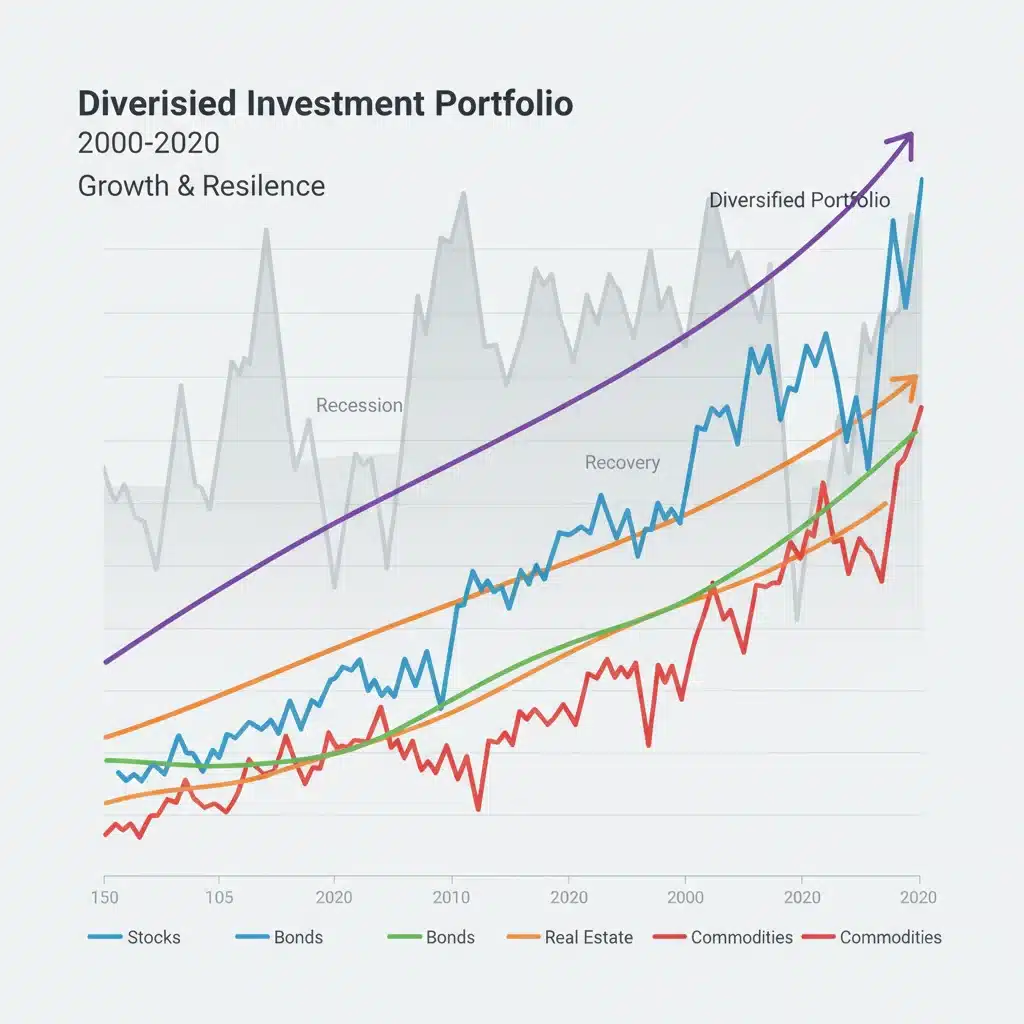
The traditional retirement portfolio, heavy on bonds and cash, may not be adequate in an inflationary environment. It’s time to review and potentially adjust your asset allocation to include assets that historically perform well during periods of rising prices.
Inflation-Protected Securities (TIPS)
Treasury Inflation-Protected Securities (TIPS) are bonds issued by the U.S. Treasury that are indexed to inflation. Their principal value adjusts with the Consumer Price Index (CPI), and interest payments are made on the adjusted principal. This feature makes TIPS a direct hedge against inflation, ensuring that your investment maintains its purchasing power.
Real Estate
Historically, real estate has been a strong inflation hedge. Property values and rental income tend to rise with inflation, providing a tangible asset that retains its value. This can include direct ownership of rental properties, or indirect investments through Real Estate Investment Trusts (REITs). REITs allow investors to own a piece of income-producing real estate without the complexities of direct property management, offering liquidity and diversification.
Commodities
Raw materials such as gold, silver, oil, and agricultural products often see their prices increase during inflationary periods. Investing in commodities, either directly or through exchange-traded funds (ETFs), can provide a valuable hedge. Gold, in particular, has long been considered a safe haven asset during economic uncertainty and inflation.
Stocks (Equities)
While not all stocks perform equally well during inflation, companies with strong pricing power – those that can pass on increased costs to consumers without significantly impacting demand – tend to fare better. Look for companies in essential sectors, those with strong brands, or those with low capital expenditure requirements. Dividends from these companies can also provide a growing income stream that helps combat inflation.
Consider growth stocks, but also value stocks in sectors like energy and materials. Companies with strong balance sheets and consistent cash flow are often more resilient. Diversification across various sectors and geographies is key to mitigating risk.
2. Optimizing Your Income Streams
Beyond asset allocation, consider how you can optimize your income streams to better withstand inflation.
Delaying Social Security (If Possible)
For every year you delay claiming Social Security benefits past your full retirement age (up to age 70), your benefit amount increases. This larger initial benefit will then be subject to COLA, providing a higher inflation-adjusted income stream for the rest of your life. This strategy can be particularly powerful in a high-inflation environment.
Annuities with Inflation Riders
Certain types of annuities, particularly immediate annuities, can provide a guaranteed income stream for life. Some annuities offer inflation riders that increase payments over time, helping to preserve purchasing power. While annuities can be complex, exploring options with a financial advisor can be beneficial.
Part-Time Work or Consulting
Even a few hours of part-time work or consulting can significantly bolster your retirement income. This additional income can help cover rising expenses and reduce the need to draw down your investment portfolio during market downturns or inflationary periods. It also offers the flexibility to adjust your hours as needed.
3. Managing Expenses and Budgeting
In an inflationary environment, meticulous budgeting and expense management become even more critical for protecting your inflation retirement 2026 plans.
Review and Cut Discretionary Spending
Go through your budget with a fine-tooth comb. Identify areas where you can reduce or eliminate discretionary spending without significantly impacting your quality of life. This could include dining out less frequently, finding cheaper entertainment options, or reducing subscriptions. Every dollar saved is a dollar that doesn’t need to be earned or withdrawn from your investments.
Optimize Essential Services
Shop around for better deals on essential services like insurance (home, auto, health), utilities, and internet providers. Even small savings in these areas can add up over time. Consider energy-efficient home improvements to reduce utility bills. Renegotiating loan terms or refinancing at lower rates if available can also free up cash flow.
Healthcare Planning
As mentioned, healthcare costs are a major concern. Explore Medicare Advantage plans, Medigap policies, and prescription drug plans to find the most cost-effective coverage for your needs. Consider health savings accounts (HSAs) if you are eligible, as they offer a triple tax advantage for healthcare expenses in retirement.

4. Debt Management
High inflation can have a dual impact on debt. While fixed-rate debt becomes less burdensome in real terms (as the value of future payments decreases), variable-rate debt can become much more expensive as interest rates rise to combat inflation. Prioritizing debt reduction, especially high-interest or variable-rate debt, is a prudent strategy. Eliminating debt frees up cash flow and reduces financial risk during uncertain times.
5. Tax-Efficient Withdrawals
Understanding the tax implications of your retirement withdrawals is crucial. High inflation can push you into higher tax brackets if your income increases in nominal terms. Strategically withdrawing from different types of accounts (e.g., Roth IRAs, traditional IRAs, taxable accounts) can help minimize your tax burden and preserve more of your savings. This is an area where a qualified financial advisor can provide invaluable guidance.
6. Staying Informed and Adapting
The economic environment is dynamic. What works today might not be the best strategy tomorrow. Stay informed about economic indicators, inflation trends, and government policies. Regularly review your financial plan and be prepared to adapt your strategies as circumstances change. This might involve rebalancing your portfolio, adjusting your spending, or exploring new investment opportunities. Flexibility is a key asset in navigating an unpredictable future.
The Role of a Financial Advisor in an Inflationary Environment
Navigating the complexities of inflation retirement 2026 can be daunting. A qualified financial advisor can be an invaluable partner in this journey. They can help you:
- Assess Your Current Situation: A thorough review of your existing portfolio, income sources, and expenses to identify vulnerabilities.
- Develop a Personalized Strategy: Tailor investment and spending strategies specifically designed to meet your individual needs and inflation concerns.
- Identify Inflation Hedges: Recommend specific investments like TIPS, REITs, commodities, or inflation-resistant equities that align with your risk tolerance.
- Optimize Tax Planning: Advise on tax-efficient withdrawal strategies to minimize the impact of taxes on your retirement income.
- Monitor and Adjust: Regularly review your plan and make necessary adjustments as economic conditions evolve and your personal circumstances change.
- Provide Emotional Support: During periods of market volatility and economic uncertainty, a trusted advisor can offer reassurance and help you avoid impulsive decisions driven by fear.
Long-Term Perspective: Beyond 2026
While the focus here is on the immediate threat of 6.5% inflation by 2026, it’s essential to maintain a long-term perspective. Inflation is a persistent economic force that needs to be considered throughout your retirement. Building a resilient portfolio and a flexible financial plan will serve you well beyond any specific inflationary period. The strategies discussed are not merely short-term fixes but fundamental principles of sound financial planning that are particularly crucial when facing elevated inflation.
Consider the power of compounding, both for your investments and for inflation. If your investments are growing at a rate higher than inflation, you are increasing your real wealth. Conversely, if inflation outpaces your returns, your real wealth is diminishing. The goal is always to achieve real returns – returns after accounting for inflation – that allow your savings to grow or at least maintain their purchasing power.
Education and Continuous Learning
Empower yourself with knowledge. Continuously learning about economic trends, investment strategies, and personal finance best practices will enable you to make more informed decisions. Resources abound, from reputable financial news outlets to educational webinars and books. The more you understand, the better equipped you will be to protect your retirement savings.
Conclusion: A Proactive Approach to Secure Your Future
The prospect of a 6.5% annualized inflation rate by 2026 presents a significant challenge for retirement savings. However, it is not an insurmountable one. By understanding the potential impact, adopting a proactive mindset, and implementing strategic financial planning, you can effectively protect your nest egg and maintain your desired quality of life in retirement. Re-evaluating your asset allocation, optimizing income streams, meticulously managing expenses, and seeking expert advice are all critical steps in building a resilient retirement plan. The time to act is now. By taking decisive action today, you can navigate the inflationary pressures of tomorrow and secure a comfortable and financially stable retirement.
Remember, your retirement journey is unique. What works for one person may not work for another. Therefore, personalize these strategies to fit your specific financial situation, risk tolerance, and retirement goals. Regular reviews and adjustments will be key to staying on track. Embrace the challenge with knowledge and strategic action, and you can safeguard your financial future against the erosive power of inflation.