US Job Market Stability: Unemployment at 3.8% in March 2026

The United States economy continues to demonstrate impressive resilience and strength, with the latest figures from March 2026 painting a picture of robust health in the US job market. The unemployment rate has held steady at a remarkably low 3.8%, a figure that signals profound economic stability and a thriving labor landscape. This sustained low unemployment rate is more than just a statistic; it reflects a dynamic environment where businesses are expanding, consumer confidence is high, and opportunities for workers are abundant. Understanding the nuances of this performance is crucial for policymakers, businesses, and individuals alike.
The 3.8% unemployment rate in March 2026 is a testament to the effectiveness of recent economic policies and the inherent adaptability of the American workforce. It indicates that the vast majority of individuals seeking employment are finding it, leading to increased household incomes and a stronger foundation for economic growth. This stability is particularly noteworthy given the global economic uncertainties that have characterized recent years, underscoring the unique strengths of the US job market.
Understanding the 3.8% Unemployment Rate
To truly appreciate the significance of a 3.8% unemployment rate, it’s essential to understand what this metric represents. The unemployment rate measures the percentage of the total labor force that is unemployed but actively seeking employment and willing to work. A low unemployment rate, such as the one observed in the US job market in March 2026, typically signifies a healthy economy with strong demand for labor.
Several factors contribute to this favorable rate. Firstly, strong economic growth has fueled business expansion across various sectors, leading to increased hiring. Companies are investing in new projects, expanding their operations, and therefore requiring more personnel. Secondly, consumer spending remains robust, driving demand for goods and services, which in turn necessitates a larger workforce to meet production and service delivery needs. Thirdly, a balanced supply and demand for labor, coupled with effective skills training and educational programs, ensures that there is a good match between available jobs and qualified candidates.
Historically, an unemployment rate below 4% is considered full employment, meaning that nearly everyone who wants a job can find one. The fact that the US job market has maintained this level for an extended period suggests a deeply ingrained economic resilience. This stability provides a predictable environment for businesses to plan and invest, and for individuals to pursue career growth and financial security. The implications of such a low rate are far-reaching, affecting everything from wage growth to inflation and overall economic sentiment.
Key Sectors Driving Employment Growth
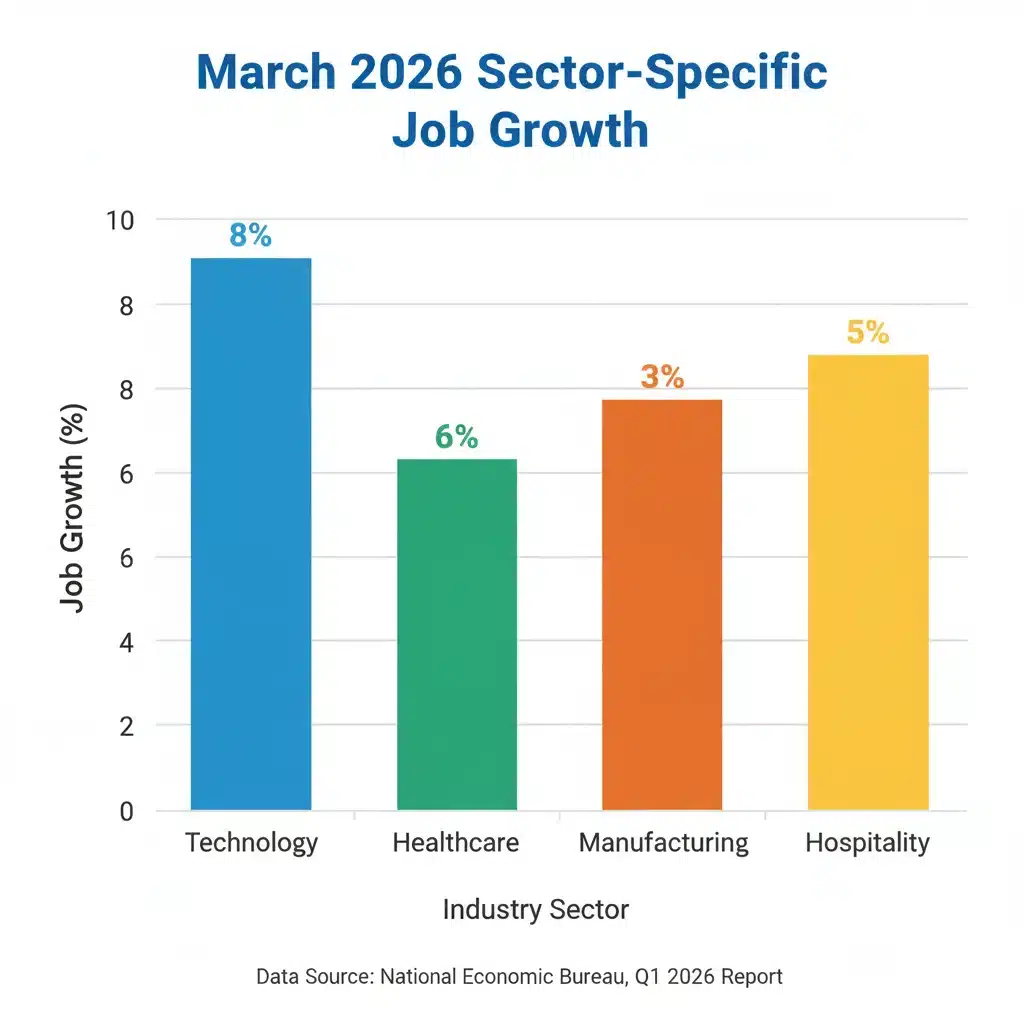
While the overall US job market is strong, certain sectors have been particularly instrumental in driving employment growth. A deeper dive into these industries reveals the underlying dynamics shaping the current economic landscape. Understanding these key contributors is vital for identifying future trends and potential areas for investment and career development.
Technology Sector Continues to Innovate and Expand
The technology sector remains a powerhouse of job creation. Companies at the forefront of artificial intelligence, cloud computing, cybersecurity, and data analytics are constantly innovating, leading to a high demand for skilled professionals. Software developers, data scientists, AI engineers, and cybersecurity specialists are particularly sought after. The rapid pace of technological advancement ensures a continuous need for new talent, making this sector a consistent driver of employment in the US job market.
Healthcare and Social Assistance Remain Essential
Demographic shifts, particularly an aging population, continue to bolster the healthcare and social assistance sectors. The demand for doctors, nurses, therapists, and home healthcare aides shows no signs of slowing down. Advances in medical technology and increased access to healthcare services also contribute to this growth. This sector provides stable, long-term employment opportunities and is a critical component of the overall US job market‘s strength.
Manufacturing Renaissance and Investment
Contrary to some past predictions, the manufacturing sector has experienced a significant resurgence. Driven by investments in advanced manufacturing, automation, and a renewed focus on domestic production, factories are hiring for a range of roles, from skilled technicians to engineers and production managers. This revitalization is not just about bringing jobs back but also about creating new, high-tech manufacturing positions, reinforcing the diversity of the US job market.
Leisure and Hospitality Rebound
Following periods of disruption, the leisure and hospitality sector has demonstrated a strong rebound. As travel and entertainment activities return to pre-pandemic levels, hotels, restaurants, airlines, and entertainment venues are actively recruiting. This sector is crucial for consumer-driven growth and provides a significant number of entry-level and service-oriented positions, contributing to the broad-based recovery of the US job market.
Wage Growth and Inflationary Pressures
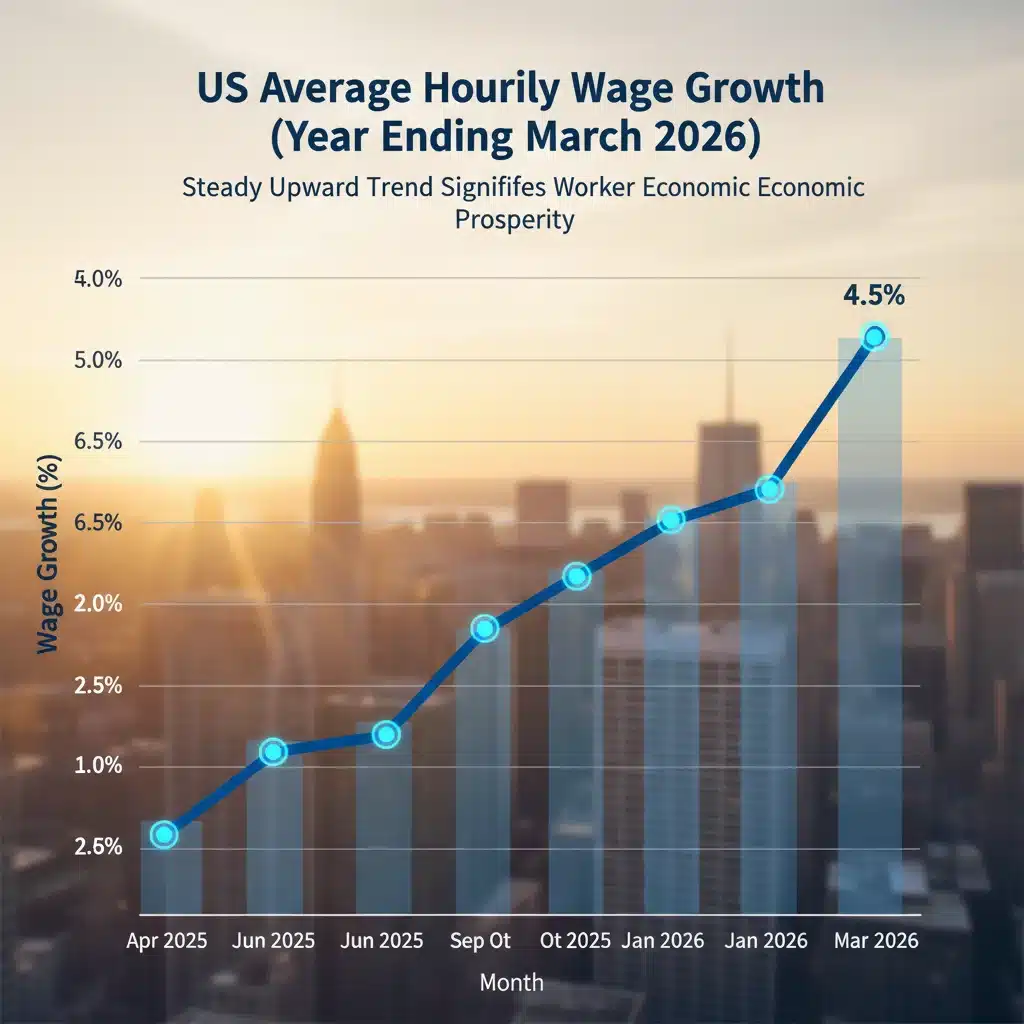
A healthy US job market often leads to increased wage growth, as employers compete for talent. The March 2026 report indicates a steady, albeit moderate, increase in average hourly earnings. This is a positive sign for workers, as it enhances their purchasing power and contributes to overall economic prosperity. However, wage growth must be viewed in conjunction with inflation to assess its true impact on living standards.
While wage growth is desirable, excessive increases can sometimes fuel inflationary pressures. The Federal Reserve and other economic bodies closely monitor this balance. The current environment suggests that wage increases are largely aligned with productivity gains, helping to mitigate significant inflationary spikes. This delicate balance is crucial for sustaining long-term economic stability without overheating the economy. The goal is to ensure that real wages—wages adjusted for inflation—are increasing, allowing individuals to experience genuine improvements in their financial well-being.
The current rate of wage growth in the US job market suggests a sustainable trajectory. It’s enough to provide workers with a sense of progress and security, but not so high as to trigger a wage-price spiral that could destabilize the economy. This prudent growth reflects a mature economic cycle where growth is steady and predictable, offering confidence to both employers and employees.
Regional Disparities and Localized Strengths
While the national unemployment rate provides a broad overview, it’s important to acknowledge that the US job market is not monolithic. Regional disparities can exist, with some states or metropolitan areas experiencing even lower unemployment rates, while others might face slightly higher figures due to localized industry shifts or economic transitions. However, the overall trend in March 2026 points to widespread improvement across most regions.
For example, states with strong technology hubs, robust manufacturing bases, or significant energy sectors might exhibit even tighter labor markets. Conversely, areas undergoing industrial restructuring might experience temporary challenges. Analyzing these regional variations helps in understanding the localized strengths and weaknesses within the broader US job market, allowing for more targeted policy interventions and investment strategies. This granular perspective is essential for a comprehensive understanding of the nation’s labor health.
Understanding these localized strengths also allows individuals to make informed decisions about where to live and work, aligning their skills with regional demand. For businesses, it informs decisions about where to expand or establish new operations, leveraging regional talent pools and economic incentives. The consistent national average, however, indicates that these regional differences are generally minor and do not detract from the overall positive outlook for the US job market.
The Role of Government Policy and Fiscal Stimulus
Government policies have played a significant role in shaping the current robust US job market. Fiscal stimulus measures, such as infrastructure spending, tax incentives for businesses, and investments in research and development, have created a fertile ground for job creation. These policies have not only stimulated demand but also addressed supply-side issues, such as workforce development and technological adoption.
Monetary policy, guided by the Federal Reserve, has also been critical in maintaining price stability and fostering an environment conducive to employment growth. By carefully managing interest rates and liquidity, the Fed has supported economic expansion without allowing inflation to spiral out of control. The coordination between fiscal and monetary policies has been a cornerstone of the sustained strength in the US job market.
Looking ahead, continued strategic government investment in key areas like renewable energy, digital infrastructure, and education will be crucial for sustaining this positive momentum. These investments not only create immediate jobs but also lay the groundwork for future economic competitiveness and innovation, ensuring the long-term health and adaptability of the US job market.
Challenges and Future Outlook for the US Job Market
While the March 2026 unemployment rate of 3.8% is undoubtedly a positive indicator, it’s important to consider potential challenges and the future outlook for the US job market. No economy is without its vulnerabilities, and proactive planning is essential to maintain stability and growth.
Potential Headwinds
One potential challenge is the ongoing global economic landscape. Geopolitical events, supply chain disruptions, or economic downturns in major trading partners could indirectly impact the US job market. Furthermore, the rapid pace of technological change, particularly the rise of AI and automation, could lead to job displacement in certain sectors, requiring continuous upskilling and reskilling of the workforce.
Inflationary pressures, though currently manageable, always remain a concern. Should energy prices spike or global commodity markets become volatile, the delicate balance between wage growth and price stability could be tested. Labor shortages in highly skilled areas also present a challenge, as businesses struggle to find qualified candidates for specialized roles, potentially limiting growth in critical sectors.
Optimistic Future Outlook
Despite these potential headwinds, the outlook for the US job market remains largely optimistic. The underlying fundamentals of the US economy are strong, characterized by innovation, entrepreneurial spirit, and a flexible labor force. Continued investment in education and workforce development programs will be key to addressing skill gaps and ensuring that workers are prepared for the jobs of the future.
The ability of the US economy to adapt to change, coupled with strategic policy initiatives, suggests that the low unemployment rate can be sustained. The focus will likely shift towards enhancing productivity, fostering innovation, and ensuring equitable access to opportunities across all demographic groups. The resilience observed in the past few years provides a strong basis for confidence in the future trajectory of the US job market.
The Importance of Workforce Development and Education
In an evolving US job market, continuous workforce development and education are paramount. The nature of work is changing, with new technologies and industries emerging at an unprecedented pace. To maintain a competitive edge and ensure that the low unemployment rate is sustainable, investment in human capital is crucial.
Educational institutions, from vocational schools to universities, must adapt their curricula to meet the demands of the modern economy. This includes emphasizing STEM (Science, Technology, Engineering, and Mathematics) fields, fostering critical thinking and problem-solving skills, and promoting lifelong learning. Partnerships between academia and industry are vital for creating relevant training programs that equip individuals with the skills employers need.
Furthermore, government-sponsored retraining initiatives and employer-led upskilling programs are essential for workers to transition into new roles or enhance their existing capabilities. As automation and artificial intelligence become more prevalent, the ability to adapt and acquire new skills will be a defining characteristic of a successful career in the US job market. These efforts ensure that the workforce remains agile and responsive to economic shifts.
A well-educated and skilled workforce not only drives innovation and productivity but also contributes to greater income equality and social mobility. By investing in its people, the US can ensure that the benefits of a strong US job market are widely distributed, leading to a more inclusive and prosperous society. This commitment to human capital development is a long-term strategy for sustained economic health.
Consumer Confidence and Spending Habits
The health of the US job market has a direct and significant impact on consumer confidence, which in turn influences spending habits and overall economic activity. With a low unemployment rate of 3.8% in March 2026, Americans are more likely to feel secure in their employment, leading to higher confidence in their financial future.
When consumers feel secure about their jobs and income, they are more inclined to spend on goods and services, make larger purchases like homes and cars, and invest in their futures. This increased consumer spending is a primary driver of economic growth, creating a virtuous cycle where businesses respond to demand by hiring more, further strengthening the US job market. This positive feedback loop is a key characteristic of the current economic environment.
Moreover, sustained employment and wage growth reduce financial stress for households, allowing them to build savings, reduce debt, and improve their overall quality of life. This financial stability contributes to a more resilient economy, better equipped to withstand future shocks. The optimistic sentiment generated by a strong US job market is a powerful force that underpins national prosperity.
Conversely, a decline in consumer confidence, often triggered by job losses or economic uncertainty, can lead to reduced spending and a slowdown in economic activity. The current high level of confidence is a testament to the stability provided by the robust employment figures. This makes the 3.8% unemployment rate not just a labor statistic, but a comprehensive indicator of the nation’s economic well-being and future potential.
Conclusion: A Resilient and Stable US Job Market
The March 2026 report revealing a 3.8% unemployment rate underscores the remarkable resilience and stability of the US job market. This figure is not merely a number; it represents millions of Americans actively participating in a dynamic economy, contributing to growth, and building secure futures for themselves and their families. The sustained low unemployment rate reflects a confluence of strong economic growth, strategic government policies, and an adaptable workforce.
Key sectors like technology, healthcare, manufacturing, and leisure and hospitality have been instrumental in driving this employment surge, showcasing the diverse strengths of the American economy. While wage growth is moderate, it is healthy and contributes to increased purchasing power without igniting excessive inflation. Regional variations exist, but the overarching trend is one of widespread economic health across the nation.
Looking forward, while challenges such as global economic shifts and technological disruption remain, the proactive approach to workforce development and education, coupled with sound fiscal and monetary policies, positions the US job market for continued success. The high level of consumer confidence, fueled by job security, will continue to drive demand and sustain economic momentum.
In essence, the US job market in March 2026 is a beacon of economic stability, providing a strong foundation for future prosperity. This robust performance offers confidence to businesses, investors, and individuals, signaling a period of sustained growth and opportunity.