Federal Climate Regulations: Navigating New Emission Policies 2026

Understanding the Impending Shift: Federal Climate Regulations by Mid-2026
The global conversation around climate change has intensified, leading to a palpable shift in policy-making across nations. In the United States, this momentum is culminating in a significant overhaul of environmental governance. By mid-2026, the federal government is poised to introduce a new wave of federal climate regulations that will fundamentally reshape how industries operate, innovate, and contribute to a sustainable future. This comprehensive article will delve into the anticipated changes, explore their potential impact on key sectors, and provide strategic insights for businesses to navigate this evolving landscape successfully.
The urgency to address climate change is no longer a matter of scientific debate but a pressing economic and social imperative. Governments worldwide are responding with ambitious targets and regulatory frameworks designed to curb greenhouse gas emissions, promote renewable energy, and foster a circular economy. The upcoming federal climate regulations are a crucial part of this broader strategy, signaling a deepened commitment to environmental stewardship and a more sustainable national economy.
For businesses, particularly those in energy-intensive sectors, the impending regulations represent both challenges and opportunities. While compliance may require significant investment in new technologies and processes, it also presents a chance to gain a competitive edge through innovation, efficiency, and a strengthened public image. Understanding the nuances of these regulations well in advance is paramount for strategic planning and successful adaptation.
The Genesis of New Federal Climate Regulations: Why Now?
The drive for new federal climate regulations stems from a confluence of factors, including mounting scientific evidence of climate change impacts, international commitments, and growing public demand for environmental action. Recent years have witnessed an increase in extreme weather events, from devastating wildfires to intense hurricanes, serving as stark reminders of the planet’s vulnerability. This has fueled a political will to enact more stringent environmental policies.
Internationally, the United States has reaffirmed its commitment to agreements like the Paris Agreement, which calls for significant reductions in greenhouse gas emissions. Meeting these targets necessitates a robust domestic policy framework. The upcoming regulations are expected to align national policy with these international obligations, positioning the US as a leader in global climate action.
Furthermore, technological advancements in renewable energy, carbon capture, and sustainable manufacturing have made ambitious emission reduction targets more attainable. The cost of renewable energy, for instance, has plummeted, making it an economically viable alternative to fossil fuels. These advancements provide the government with the tools and confidence to implement more aggressive environmental policies, knowing that industries have viable pathways to compliance and innovation.
Key Drivers for Policy Change:
- Scientific Consensus: Overwhelming evidence of human-induced climate change and its accelerating impacts.
- International Commitments: Adherence to global climate agreements and targets.
- Public Pressure: Growing societal demand for environmental protection and sustainable practices.
- Technological Progress: Availability of cost-effective and scalable solutions for emission reduction and clean energy.
- Economic Opportunities: Recognition of the potential for green job creation and economic growth through sustainable industries.
Understanding these underlying drivers is crucial for anticipating the scope and direction of the new federal climate regulations. They are not arbitrary measures but a carefully considered response to complex global and domestic challenges.
Anticipated Scope of Federal Climate Regulations by Mid-2026
While the precise details of the new federal climate regulations are still being finalized, general expectations point towards a broad and multi-faceted approach. We anticipate regulations that will target various sectors, focusing on both direct emissions and the broader supply chain. Key areas likely to be addressed include:
1. Emission Standards for Industrial Sectors:
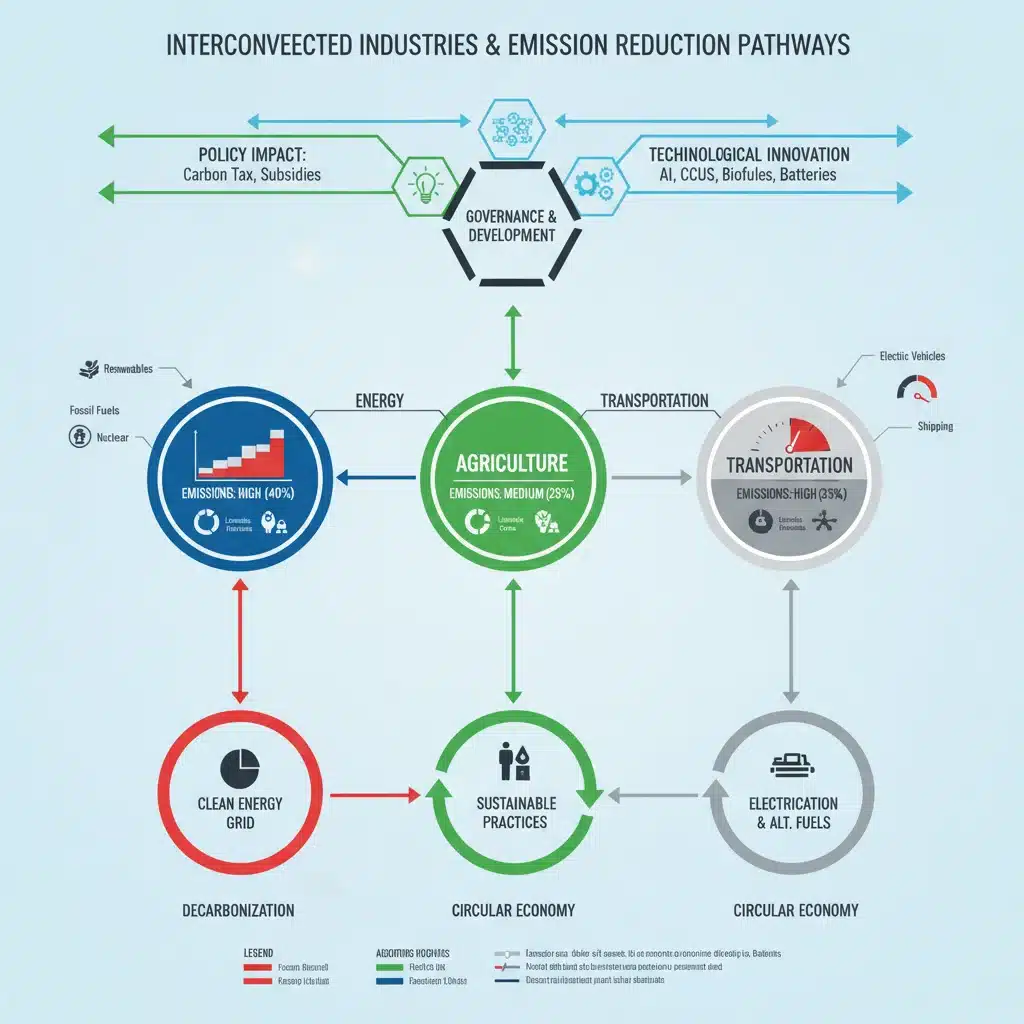
Heavy industries such as manufacturing, steel production, cement, and chemical processing are significant contributors to greenhouse gas emissions. The new regulations are expected to set more stringent emission limits, potentially requiring the adoption of best available technologies for pollution control, carbon capture, and process optimization. This could involve mandates for energy efficiency improvements and shifts towards cleaner energy sources.
2. Power Generation and Energy Transition:
The electricity sector is a primary focus for emission reductions. Expect policies that accelerate the transition from fossil fuels to renewable energy sources like solar, wind, and hydropower. This could include updated clean energy standards, incentives for renewable energy development, and potentially disincentives for coal-fired power plants. The goal is to decarbonize the grid significantly over the next decade.
3. Transportation Sector Emissions:
Transportation remains a major source of emissions. The upcoming regulations will likely build upon existing standards for vehicle fuel efficiency and tailpipe emissions, pushing for a faster adoption of electric vehicles (EVs) and alternative fuels. This could involve expanded charging infrastructure mandates, incentives for EV purchases, and stricter emission standards for heavy-duty vehicles and aviation.
4. Methane Emission Reductions:
Methane, a potent greenhouse gas, is largely emitted from oil and gas operations, agriculture, and landfills. New regulations are expected to target these sources, requiring enhanced leak detection and repair programs for oil and gas infrastructure, improved waste management practices, and potentially new agricultural policies to reduce livestock emissions.
5. Carbon Pricing Mechanisms:
While politically sensitive, the possibility of some form of carbon pricing, whether through a carbon tax or an expanded cap-and-trade system, remains on the table. Even if not a direct federal mandate, states may be encouraged to implement such mechanisms, creating a more uniform national approach to internalizing the cost of carbon.
6. Disclosure and Reporting Requirements:
Expect enhanced mandatory disclosure and reporting requirements for companies regarding their climate-related risks, emissions, and sustainability efforts. This increased transparency aims to provide investors and the public with better information to assess corporate environmental performance and drive responsible investment.
Impact on Key Industries: Preparing for the New Normal
The new federal climate regulations will undoubtedly have far-reaching implications across various sectors. Proactive engagement and strategic adaptation will be crucial for sustained success. Here’s a look at how some key industries might be affected:
Energy Sector:
The energy sector, particularly fossil fuel producers and utilities, will experience monumental shifts. A rapid transition to renewable energy sources will necessitate significant investments in solar, wind, geothermal, and battery storage technologies. Companies primarily reliant on fossil fuels will need to diversify their portfolios, invest in carbon capture and storage (CCS) technologies, or face declining demand and increased regulatory burdens. The focus will be on decarbonization and achieving net-zero emissions.
Manufacturing:
Manufacturing industries, especially those with energy-intensive processes like steel, cement, and chemicals, will face pressure to reduce their carbon footprint. This will drive innovation in process efficiency, material science (e.g., green steel), and the adoption of cleaner energy sources for their operations. Supply chain emissions will also come under scrutiny, pushing manufacturers to work with suppliers on their own emission reduction goals. Investment in advanced robotics and automation that can improve energy efficiency will also be key.
Transportation and Logistics:
The transportation sector will see accelerated electrification of vehicle fleets, from passenger cars to heavy-duty trucks. Logistics companies will need to invest in electric or hydrogen-powered vehicles, optimize routes for fuel efficiency, and explore sustainable aviation and shipping fuels. The development of charging and refueling infrastructure will be critical, creating new business opportunities. The regulations will likely push for a more integrated and sustainable logistics network.
Agriculture:
Agriculture’s role in methane and nitrous oxide emissions will be addressed through policies promoting sustainable farming practices. This could include incentives for reduced fertilizer use, improved manure management, and the adoption of climate-smart agriculture techniques. Precision agriculture, which optimizes resource use, will become even more vital.
Financial Services:
The financial sector will play a pivotal role in funding the transition to a low-carbon economy. Banks, investors, and insurance companies will increasingly integrate climate risk into their financial decisions. There will be a surge in demand for green bonds, sustainable investment funds, and climate-related insurance products. Regulatory bodies may also impose new requirements for financial institutions to assess and disclose their climate-related financial risks.
Real Estate and Construction:
Building codes and standards are expected to become more stringent, emphasizing energy efficiency, sustainable materials, and resilient design. This will drive innovation in green building technologies, smart home systems, and sustainable urban planning. Retrofitting existing buildings to meet new efficiency standards will also present a significant market opportunity.
Strategies for Business Adaptation and Growth
Navigating the new federal climate regulations effectively requires a proactive and strategic approach. Businesses that view these changes not merely as compliance burdens but as catalysts for innovation and competitive advantage will be best positioned for long-term success. Here are key strategies:
1. Comprehensive Emission Auditing and Goal Setting:
The first step is to understand your current carbon footprint. Conduct a thorough audit of direct (Scope 1), indirect (Scope 2), and value chain (Scope 3) emissions. Based on this, establish ambitious yet achievable emission reduction targets aligned with the likely regulatory trajectory and scientific recommendations. Transparency in reporting these goals and progress will be increasingly important.
2. Invest in Sustainable Technologies and Processes:
Allocate capital towards technologies that reduce emissions, improve energy efficiency, and promote circularity. This could include renewable energy installations, carbon capture technologies, electric vehicle fleets, and advanced manufacturing processes. Early adoption can lead to significant long-term cost savings and a stronger market position. Explore government incentives and grants available for green investments.
3. Supply Chain Decarbonization:
Engage with your supply chain partners to understand and reduce their emissions. This may involve setting new procurement standards, collaborating on sustainable logistics, and providing support for suppliers to adopt greener practices. A holistic approach to supply chain emissions will be critical for overall compliance and sustainability.
4. Innovation and Product Development:
The new regulatory environment will spur demand for sustainable products and services. Businesses should invest in R&D to develop environmentally friendly alternatives, enhance product longevity, and design for recyclability. This can open up new markets and differentiate your offerings from competitors. Think about how your core business can contribute to a low-carbon economy.
5. Enhance Corporate Governance and Reporting:
Integrate climate considerations into core business strategy and corporate governance. Establish clear responsibilities for sustainability initiatives at the executive level. Strengthen climate-related financial disclosures, aligning with frameworks like the Task Force on Climate-related Financial Disclosures (TCFD). Transparent and robust reporting builds trust with stakeholders and investors.
6. Engage with Policy Makers and Industry Associations:
Stay informed about policy developments by actively engaging with government agencies and industry associations. Provide feedback on proposed regulations, advocate for practical and effective solutions, and collaborate with peers to share best practices. Collective action can often lead to more favorable and workable regulatory outcomes.
7. Workforce Training and Development:
The transition to a green economy will require new skills and expertise. Invest in training your workforce in areas such as renewable energy technologies, sustainable manufacturing, carbon accounting, and environmental management. This ensures your organization has the internal capacity to adapt and innovate.
8. Risk Management and Resilience Planning:
Assess and manage climate-related risks, including physical risks (e.g., extreme weather) and transition risks (e.g., policy changes, market shifts). Develop strategies to enhance operational resilience and minimize potential disruptions. This forward-looking approach safeguards business continuity.
Case Studies and Early Adopters: Lessons Learned
Even before the full rollout of new federal climate regulations, many companies have already begun to embrace sustainability as a core business principle, demonstrating the benefits of early adoption. These trailblazers offer valuable lessons:
Example 1: Renewable Energy Integration in Manufacturing
A major automotive manufacturer invested heavily in on-site solar and wind power generation, coupled with battery storage, to power its factories. This not only significantly reduced their Scope 2 emissions but also provided energy cost stability and reduced reliance on grid electricity, making them more resilient to energy price fluctuations. Their proactive approach allowed them to test and optimize these systems before mandates were in place, giving them a competitive edge.
Example 2: Sustainable Logistics for a Retail Giant
A global retail company committed to electrifying its delivery fleet and optimizing its supply chain for reduced emissions. They invested in electric vans for last-mile delivery, optimized warehouse energy consumption, and partnered with logistics providers who also prioritized sustainability. This move not only improved their environmental credentials but also resonated with environmentally conscious consumers, boosting brand loyalty.
Example 3: Carbon Capture and Utilization in Industrial Processes
A cement company, traditionally a high emitter, piloted a carbon capture and utilization (CCU) project. Instead of simply storing captured CO2, they explored ways to incorporate it into new building materials, effectively turning a waste product into a valuable resource. While still in its early stages, this innovative approach showcases how regulatory pressure can drive beneficial industrial symbiosis.
These examples highlight that while initial investments can be substantial, the long-term benefits of embracing sustainable practices often outweigh the costs. They demonstrate improved operational efficiency, enhanced brand reputation, access to new markets, and increased resilience against future regulatory changes.
The Road Ahead: Challenges and Opportunities
The implementation of new federal climate regulations will not be without its challenges. Businesses may face significant capital expenditure requirements for new equipment and technologies, potential disruptions to existing supply chains, and the need for a skilled workforce capable of operating in a greener economy. Small and medium-sized enterprises (SMEs) may particularly struggle with the financial burden of compliance, requiring targeted support and incentives from the government.
However, alongside these challenges, lie immense opportunities. The transition to a low-carbon economy is projected to unlock trillions of dollars in new investments and create millions of green jobs. Companies that innovate and adapt quickly will be at the forefront of this economic transformation, gaining first-mover advantage in emerging markets for sustainable products and services.
Furthermore, strong environmental performance is increasingly valued by consumers, investors, and employees. Companies with robust sustainability credentials tend to attract top talent, secure favorable financing, and build stronger brand loyalty. The new regulations will accelerate this trend, making sustainability a core component of business value.
Looking Towards a Sustainable Future:
- Policy Evolution: Expect continuous refinement and strengthening of regulations as climate science advances and technologies evolve.
- Global Collaboration: The US role in international climate efforts will influence and be influenced by domestic policy.
- Innovation as a Driver: Regulatory pressure will spur unprecedented innovation in clean energy, sustainable materials, and circular economy models.
- Economic Transformation: A shift towards green industries will reshape job markets and investment landscapes.
- Societal Impact: Improved air and water quality, enhanced public health, and increased energy security will be significant co-benefits.
Conclusion: Proactive Engagement is Key for Federal Climate Regulations
The upcoming federal climate regulations by mid-2026 represent a pivotal moment for industries across the United States. They signify a resolute commitment to addressing climate change and building a more sustainable future. While the journey will present challenges, it also offers unparalleled opportunities for innovation, growth, and competitive advantage.
Businesses that adopt a proactive stance, investing in emission reduction technologies, fostering sustainable practices throughout their supply chains, and integrating climate considerations into their core strategy, will not only meet compliance requirements but will thrive in the evolving economic landscape. The time to prepare for these transformative changes is now. By embracing the spirit of innovation and sustainability, industries can not only mitigate their environmental impact but also secure a prosperous and resilient future.
Staying informed, engaging with stakeholders, and continuously adapting will be critical for navigating this new regulatory era. The shift is not just about compliance; it’s about redefining business success in a world increasingly shaped by environmental imperatives. Prepare for the new federal climate regulations, and position your organization at the forefront of the sustainable economy.