Future-Proof Your Finances: Building a 2026 Emergency Fund

Future-Proof Your Finances: Building a Resilient Emergency Fund for 2026
The global economic landscape is in a constant state of flux. While predicting the future with absolute certainty is impossible, prudent financial planning involves anticipating potential shifts and preparing for them. As we look towards 2026, the importance of a robust emergency fund becomes ever more critical. This comprehensive guide will walk you through the essential steps to build and maintain a resilient financial emergency fund, specifically targeting 6-9 months of expenses, ensuring you’re well-equipped to navigate any economic uncertainties that 2026 might bring. Our focus is on making your Emergency Fund 2026 ready.
Why an Emergency Fund is Non-Negotiable for 2026
An emergency fund isn’t just a good idea; it’s a financial imperative, especially as we approach 2026. Economic forecasts often highlight potential volatility, technological disruptions, and geopolitical events that can impact job security, income, and overall market stability. A well-stocked emergency fund acts as your personal financial shock absorber, providing a buffer against unforeseen circumstances without forcing you into debt or compromising your long-term financial goals. Think of it as your financial peace of mind, allowing you to breathe easier knowing you have a safety net.
Understanding the ‘Why’ Behind the 6-9 Month Target
The traditional recommendation for an emergency fund typically ranges from 3 to 6 months of living expenses. However, for a more robust preparation heading into 2026, particularly given potential economic shifts, we advocate for a 6-9 month target. Here’s why:
- Extended Job Search: In a challenging economic climate, finding a new job can take longer than anticipated. A 6-9 month fund provides ample time to secure new employment without financial distress.
- Unexpected Major Expenses: Beyond job loss, emergencies can include significant medical bills, major home repairs, or car breakdowns. A larger fund offers more comprehensive coverage.
- Market Volatility: A larger buffer means you’re less likely to need to sell investments at a loss during a market downturn, preserving your long-term wealth.
- Peace of Mind: The psychological benefit of a larger emergency fund is invaluable. It reduces stress and allows for clearer decision-making during difficult times, making your Emergency Fund 2026 truly robust.
Calculating Your Emergency Fund Goal for 2026
Before you can start saving, you need to know exactly how much you need. This isn’t about guessing; it’s about precise calculation.
Step 1: Track Your Monthly Expenses Meticulously
The first and most crucial step is to gain a clear understanding of your actual monthly outgoings. This means tracking every single dollar you spend for at least one to three months. Categorize your spending into:
- Fixed Expenses: Rent/mortgage, loan payments (car, student), insurance premiums, subscriptions.
- Variable Essential Expenses: Groceries, utilities (electricity, water, gas), transportation (gas, public transport), essential phone/internet.
- Discretionary Expenses: Dining out, entertainment, hobbies, non-essential shopping.
When calculating your emergency fund, focus primarily on your essential expenses. While discretionary spending can be cut during an emergency, it’s wise to include a small buffer for unexpected small comforts or unavoidable social engagements. Be honest with yourself about what you truly cannot live without. This forms the foundation of your Emergency Fund 2026.
Step 2: Multiply by Your Target Months (6-9)
Once you have a solid average of your essential monthly expenses, multiply that number by your target range: 6, 7, 8, or 9 months. For example, if your essential monthly expenses are $3,000, your emergency fund goal would be between $18,000 (6 months) and $27,000 (9 months).
Monthly Essential Expenses x Target Months = Emergency Fund Goal
Strategies for Building Your Emergency Fund Effectively
Now that you have a clear target, it’s time to implement strategies to reach your Emergency Fund 2026 goal efficiently.
1. Automate Your Savings
The easiest way to consistently save is to make it automatic. Set up an automatic transfer from your checking account to a dedicated savings account each payday. Treat this transfer like any other bill – a non-negotiable expense. Even small, consistent contributions add up significantly over time.
2. Cut Unnecessary Expenses
Review your budget with a critical eye. Where can you cut back, even temporarily, to accelerate your savings? Consider:
- Reducing discretionary spending (dining out, entertainment, impulse buys).
- Reviewing subscriptions you no longer use.
- Finding cheaper alternatives for essential services (e.g., lower phone plan, switching insurance providers).
- Cooking at home more often.
3. Boost Your Income
If cutting expenses isn’t enough, look for ways to increase your income. This could include:
- Taking on a side hustle (freelancing, gig work, selling crafts).
- Selling unused items around your home.
- Asking for a raise or pursuing a promotion at your current job.
- Leveraging skills for consulting work.
Any extra income you generate should go directly into your Emergency Fund 2026.
4. Windfalls Go Directly to Savings
Received a tax refund, bonus, inheritance, or an unexpected gift? Resist the urge to spend it. Direct these windfalls straight into your emergency fund. This can significantly accelerate your progress.
5. Create a "Savings First" Mindset
Shift your financial mindset from ‘spend and save what’s left’ to ‘save first, then spend what’s left’. Prioritize your emergency fund contributions above almost everything else (after essential bills are paid). This psychological shift can be incredibly powerful.

Where to Keep Your Emergency Fund
The location of your emergency fund is almost as important as the act of saving it. It needs to be accessible, safe, and ideally, earning a little interest.
High-Yield Savings Accounts (HYSA)
This is the gold standard for an emergency fund. HYSAs offer significantly higher interest rates than traditional savings accounts, helping your money grow, albeit modestly. Key features to look for:
- FDIC insured: Ensures your money is protected up to $250,000 per depositor.
- Easy access: Funds should be readily available within a day or two, ideally with ATM cards or electronic transfers.
- No monthly fees: Avoid accounts that charge fees that could erode your savings.
Money Market Accounts (MMAs)
Similar to HYSAs, MMAs often offer competitive interest rates and FDIC insurance. They might come with check-writing privileges, but also sometimes have higher minimum balance requirements or transaction limits.
Avoid the Following for Your Emergency Fund:
- Checking Accounts: Too easily accessible, tempting you to spend.
- Investment Accounts (Stocks, Bonds, Mutual Funds): These are subject to market fluctuations, meaning your principal could decrease just when you need it most. An emergency fund must be liquid and stable.
- CDs (Certificates of Deposit): While they offer good interest rates, your money is locked up for a set period, making it difficult to access without penalties during an actual emergency.
Maintaining and Replenishing Your Emergency Fund
Building your Emergency Fund 2026 is a significant achievement, but the work doesn’t stop there. Maintaining and replenishing it is equally important.
Regular Reviews
Life changes, and so do your expenses. Review your emergency fund goal at least once a year, or whenever there’s a significant life event (marriage, birth of a child, new job, home purchase). Your essential monthly expenses might increase, requiring you to adjust your target.
Replenish Immediately After Use
If you have to dip into your emergency fund, make it your top financial priority to replenish it as quickly as possible. Treat it with the same urgency as you did when you first started saving. This might mean temporarily pausing other savings goals or cutting back on discretionary spending until the fund is back to its target level.
Protecting Your Fund from "Pseudo-Emergencies"
It’s crucial to distinguish between a true emergency and a "want." An emergency fund is for job loss, unexpected medical bills, major home repairs, or essential car repairs. It is NOT for a down payment on a new car, a vacation, or holiday shopping. Be disciplined in its use to ensure it’s there when you truly need it.
Anticipating Economic Shifts for 2026
While we can’t predict the future with perfect accuracy, we can identify trends and potential areas of concern that make a robust Emergency Fund 2026 particularly wise.
Potential Economic Headwinds
- Inflationary Pressures: Continued inflation could erode purchasing power and increase the cost of living, making your existing fund less impactful if not adjusted.
- Interest Rate Fluctuations: Changes in interest rates can impact mortgage payments, loan costs, and investment returns.
- Geopolitical Instability: International events can have ripple effects on global supply chains, energy prices, and market sentiment.
- Technological Disruption: Rapid advancements in AI and automation could impact certain job sectors, necessitating career transitions.
- Housing Market Adjustments: Potential shifts in housing values and rental costs could affect your largest monthly expense.
By being aware of these potential factors, you can better understand why a 6-9 month emergency fund offers a superior level of security for your Emergency Fund 2026.
Beyond the Emergency Fund: Holistic Financial Resilience
While the emergency fund is foundational, true financial resilience for 2026 and beyond involves a broader approach.
Debt Management
High-interest debt, especially credit card debt, can quickly undermine an emergency fund. Prioritize paying down high-interest debt once your initial emergency fund (e.g., 3 months) is established. This frees up cash flow and reduces financial vulnerability.
Insurance Coverage
An emergency fund isn’t meant to cover every single catastrophic event. Adequate insurance coverage is crucial:
- Health Insurance: Protects against astronomical medical bills.
- Auto Insurance: Covers accidents and vehicle damage.
- Homeowner’s/Renter’s Insurance: Protects your property and possessions.
- Disability Insurance: Provides income replacement if you’re unable to work due to illness or injury.
- Life Insurance: Essential if you have dependents.
These insurance policies work in tandem with your Emergency Fund 2026 to create a comprehensive financial safety net.
Diversified Investments
Once your emergency fund is fully funded and high-interest debt is managed, focus on long-term wealth building through diversified investments. This includes retirement accounts (401k, IRA) and taxable investment accounts. Investing helps your money grow faster than inflation, which is crucial for long-term financial security.
Skills Development and Career Adaptability
In a rapidly changing job market, continuously developing your skills and remaining adaptable is a significant form of financial resilience. Invest in education, certifications, and networking to ensure your employability remains strong, even if your industry faces disruption.
Common Pitfalls to Avoid When Building Your Emergency Fund
Even with the best intentions, people often make mistakes that hinder their emergency fund progress. Be aware of these common pitfalls:
1. Not Starting "Small"
The idea of saving 6-9 months of expenses can feel overwhelming. Don’t let the large number paralyze you. Start with a smaller, achievable goal, like $1,000, then gradually increase it. Momentum is key.
2. Lack of a Dedicated Account
Keeping your emergency fund in your checking account makes it too easy to spend. A separate, dedicated account (preferably an HYSA) creates a psychological barrier and helps you clearly distinguish emergency money from spending money.
3. Not Tracking Progress
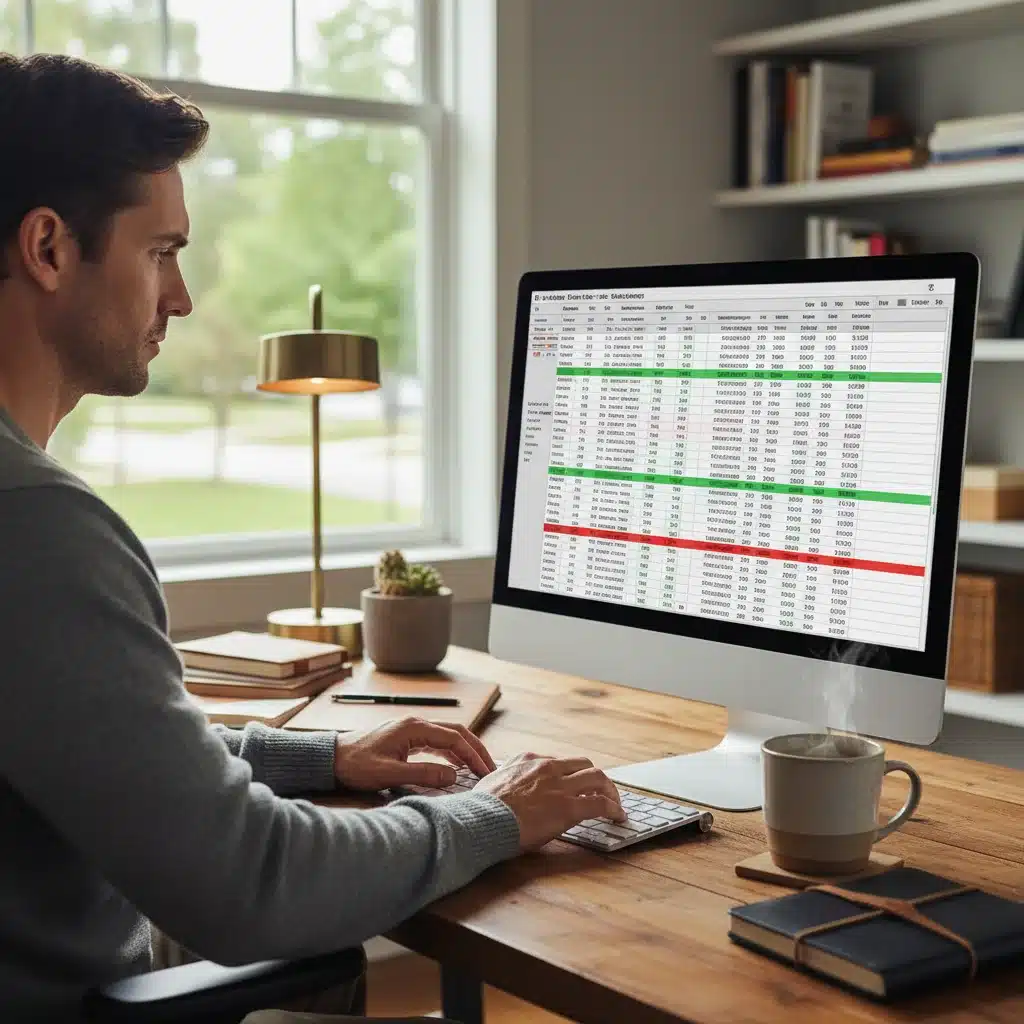
Regularly review your savings balance. Seeing your fund grow can be a powerful motivator. Use budgeting apps or spreadsheets to track your progress towards your Emergency Fund 2026 goal.
4. Forgetting to Replenish
As mentioned, using your emergency fund is okay, but forgetting to refill it defeats its purpose. Make replenishment a priority immediately after any withdrawal.
5. Underestimating Expenses
Be brutally honest when calculating your essential monthly expenses. Many people forget to account for annual expenses (like insurance premiums, property taxes, or annual subscriptions) that can be pro-rated monthly. Don’t sugarcoat your spending; an accurate assessment is vital for a realistic goal.
The Psychological Benefits of a Strong Emergency Fund
Beyond the tangible financial security, a well-funded Emergency Fund 2026 offers profound psychological advantages:
- Reduced Stress and Anxiety: Knowing you have a financial safety net significantly lowers stress levels related to unexpected expenses or job insecurity.
- Improved Sleep: Financial worries often keep people awake at night. A secure fund can lead to better rest.
- Greater Freedom and Flexibility: An emergency fund allows you to make decisions based on your best interests, rather than being forced into undesirable situations due to financial pressure.
- Enhanced Confidence: Achieving a significant financial goal like a 6-9 month emergency fund boosts self-confidence and empowers you to tackle other financial objectives.
- Better Decision-Making: Without immediate financial pressure, you can make more rational and well-thought-out decisions during a crisis, rather than rushed, panic-driven ones.
Conclusion: Secure Your Future with a Resilient Emergency Fund for 2026
The coming years, including 2026, are likely to present both opportunities and challenges. By proactively building and maintaining a robust emergency fund targeting 6-9 months of essential expenses, you are not just saving money; you are investing in your future peace of mind, financial resilience, and overall well-being. Start today, stay disciplined, and make your Emergency Fund 2026 a cornerstone of your financial security. The effort you put in now will pay dividends in stability and confidence, no matter what economic shifts lie ahead. Take control of your financial narrative and ensure you are prepared for whatever comes your way.